
Fats and oils are particularly challenging substances in wastewater because they do not readily mix with water. Instead, they can form floating layers, accumulate on surfaces and become difficult for microorganisms to access. Certain bacteria produce specialised compounds called biosurfactants, which influence how oily materials interact with water. Biosurfactants are an important part of the […]
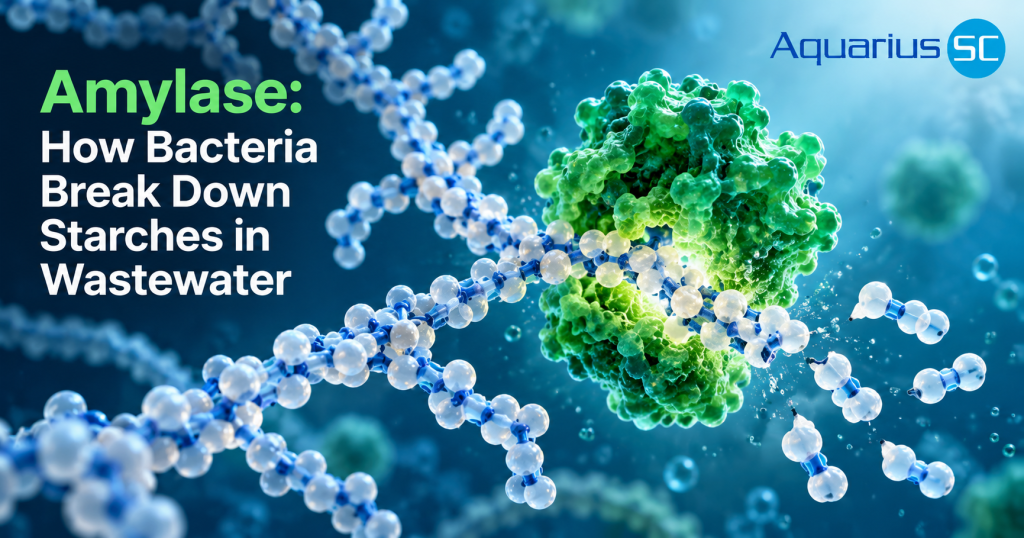
Starches are a common component of organic waste, particularly in wastewater containing food residues from kitchens, restaurants and food-processing activities. These complex carbohydrates cannot always be absorbed directly by microorganisms and must first undergo biological decomposition. One enzyme involved in this process is amylase, which helps break large starch molecules into smaller carbohydrates that bacteria […]
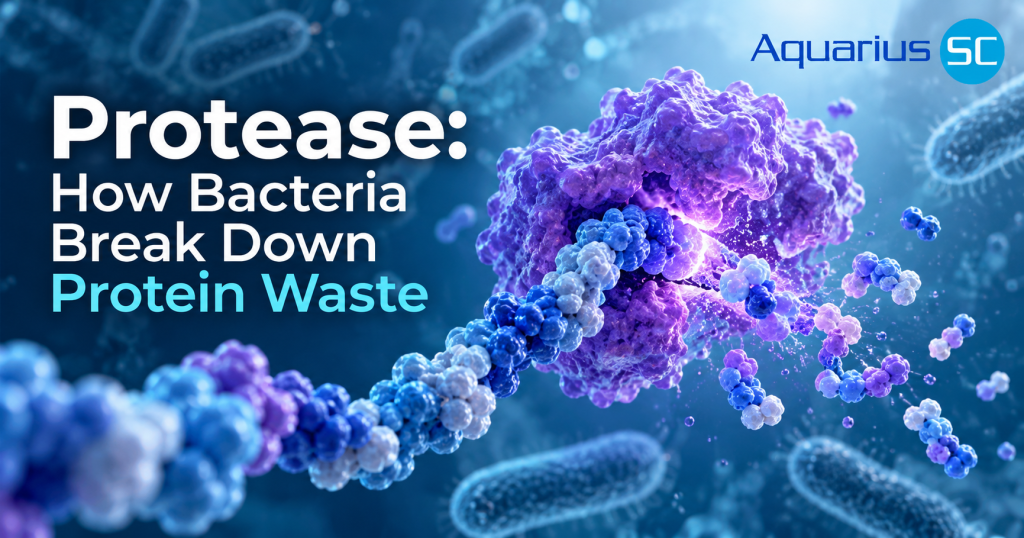
Proteins are an important component of organic waste found in septic tanks, drains and wastewater treatment systems. From food residues to naturally occurring biological material, these complex molecules must undergo decomposition before many microorganisms can use their constituent nutrients. One of the key biological tools involved in this process is protease, a specialised enzyme produced […]
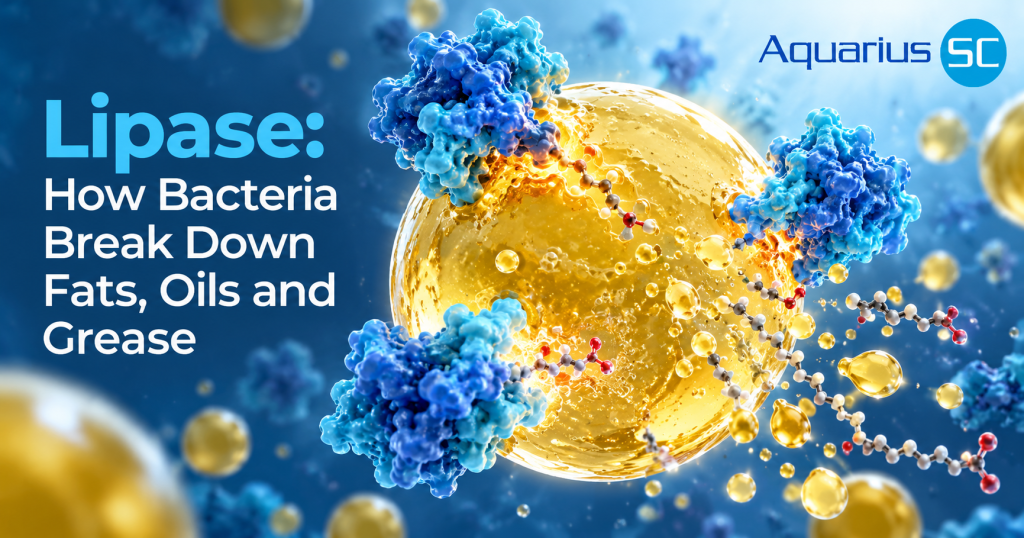
Fats, oils and grease are among the more challenging organic substances found in wastewater. Whether they originate from food preparation, washing dishes or commercial kitchens, these materials can accumulate within drainage systems and interfere with wastewater treatment. Fortunately, certain microorganisms produce a specialised enzyme called lipase, which helps break down fats into smaller compounds that […]
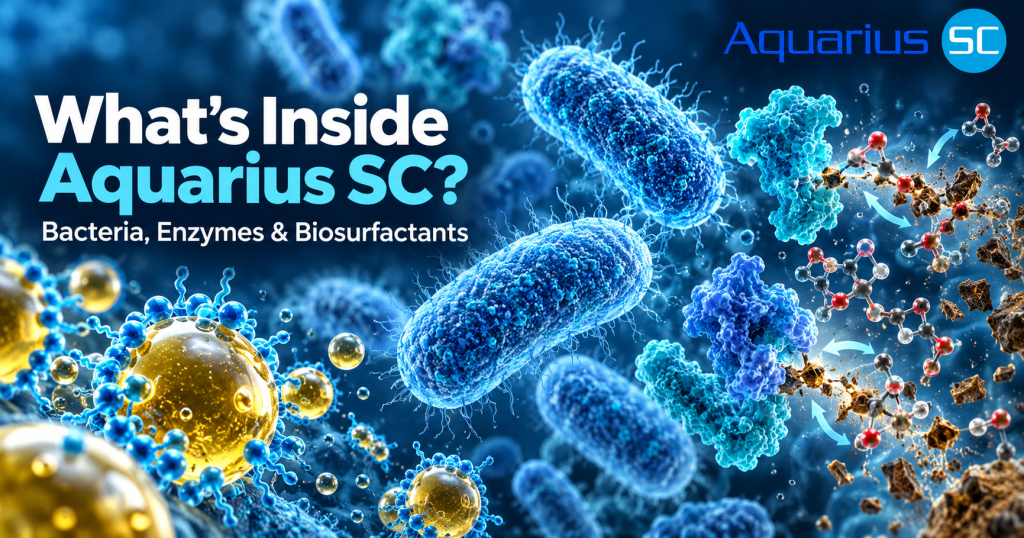
What makes Aquarius SC different from a conventional septic tank treatment? The answer lies in its combined biological formulation, which uses selected microbial cultures capable of producing different enzymes to support organic waste breakdown. Septic tanks depend on naturally occurring microorganisms to process waste. However, not every microorganism breaks down the same materials, which is […]
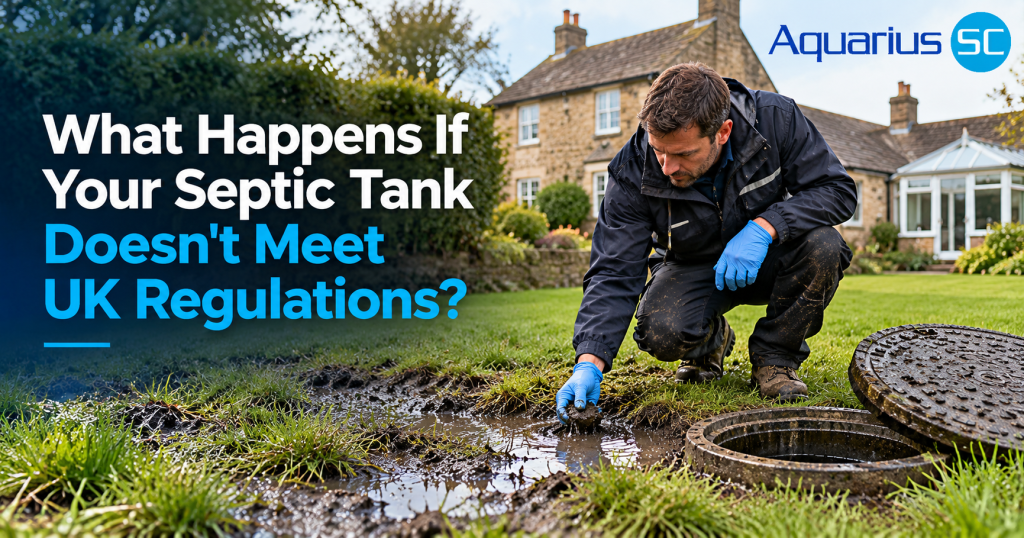
Discovering that your septic tank may not meet environmental regulations can be worrying, particularly when you are selling a property or dealing with drainage problems. However, non-compliance does not automatically mean prosecution or an immediate replacement. The outcome depends on the problem, whether pollution is occurring, the location of the property and the steps taken […]
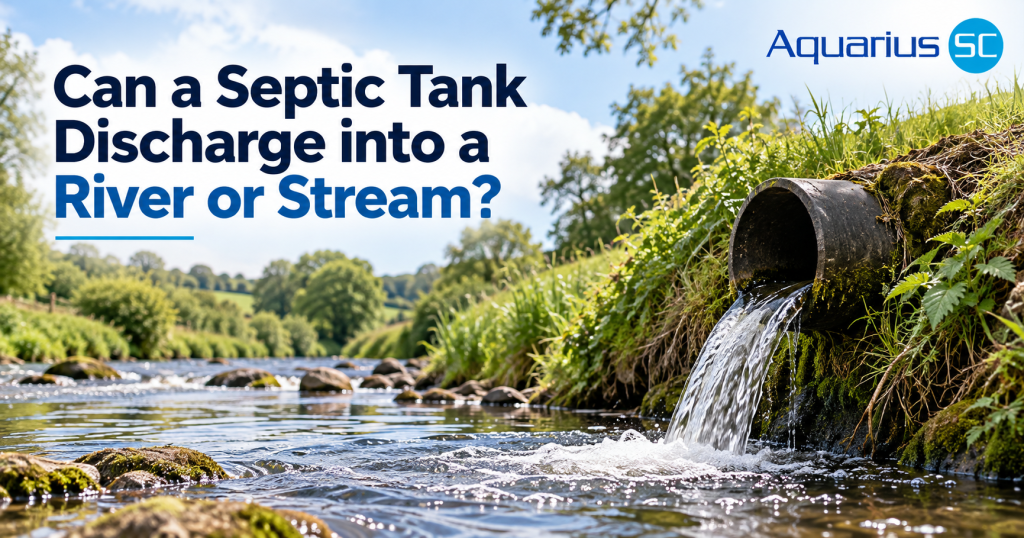
If your home has a septic tank near a river, stream or drainage ditch, you may wonder whether its wastewater can legally flow into that watercourse. The answer depends on the treatment system, the discharge destination and which part of the UK the property is in. A conventional septic tank does not treat sewage to […]
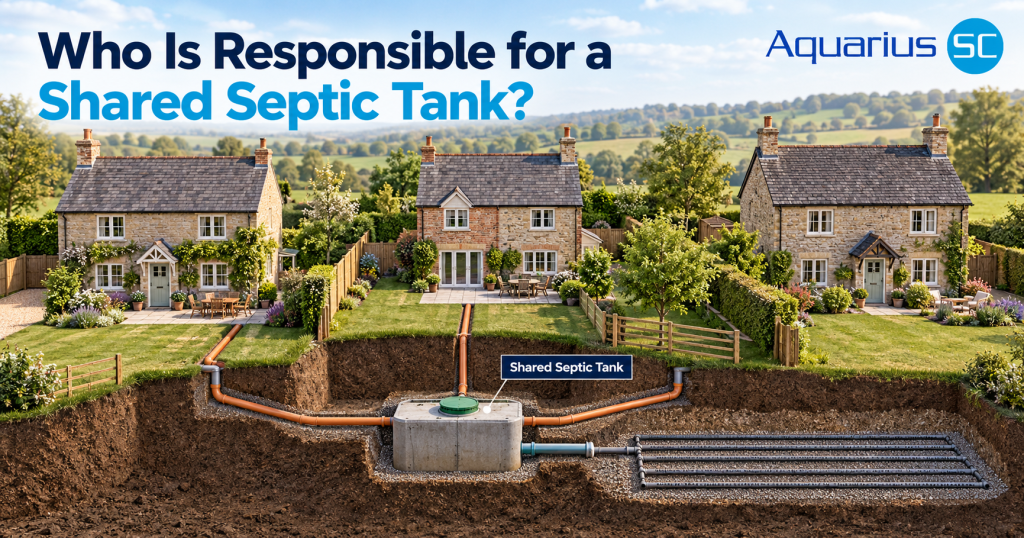
If two or more properties use the same septic tank, who is legally responsible when something goes wrong? The short answer is that responsibility is generally shared between the properties using the system, even when the tank sits entirely within one neighbour’s garden. However, environmental obligations, property rights and the division of bills are not […]

Buying a house with a septic tank can be straightforward, but the drainage system deserves the same attention as the roof, electrics and heating. Unlike a property connected to mains sewerage, the home relies on private equipment to collect and treat wastewater. Before exchanging contracts, establish what system is installed, where it discharges and who […]
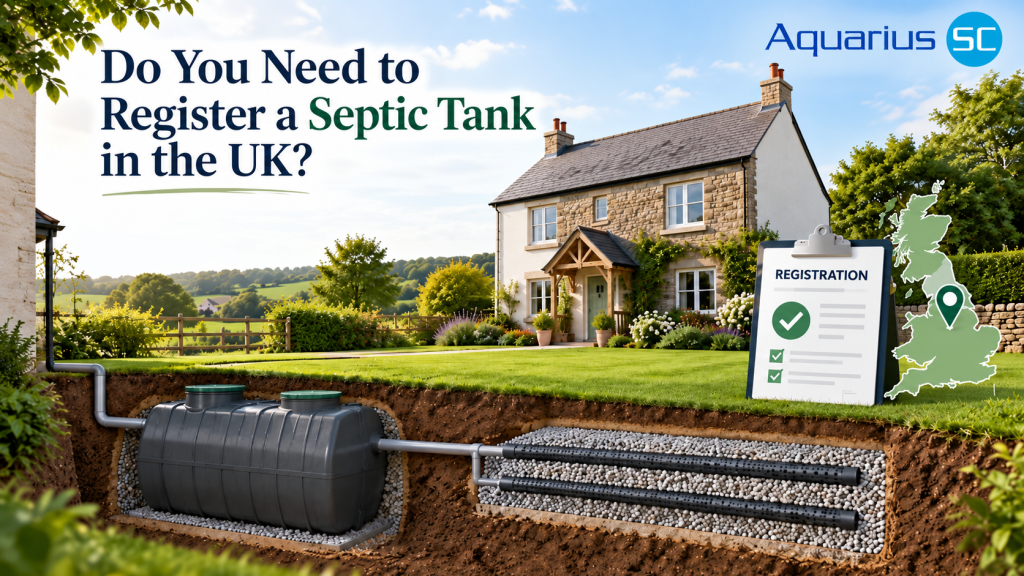
If your property relies on a septic tank rather than mains drainage, you may be wondering whether you need to register it with an environmental regulator. The answer depends on where you live. England, Wales, Scotland and Northern Ireland operate different systems, and registration is not the same as obtaining an environmental permit or discharge […]
