What makes Aquarius SC different from a conventional septic tank treatment? The answer lies in its combined biological formulation, which uses selected microbial cultures capable of producing different enzymes to support organic waste breakdown.
Septic tanks depend on naturally occurring microorganisms to process waste. However, not every microorganism breaks down the same materials, which is why biological treatments can contain multiple cultures with complementary capabilities.
In this guide, we explore the ingredients and biological activities associated with Aquarius SC, explaining how bacteria, enzymes and biosurfactants work together.
According to its published technical information, Aquarius SC contains more than six selected aerobic and facultative microbial cultures.
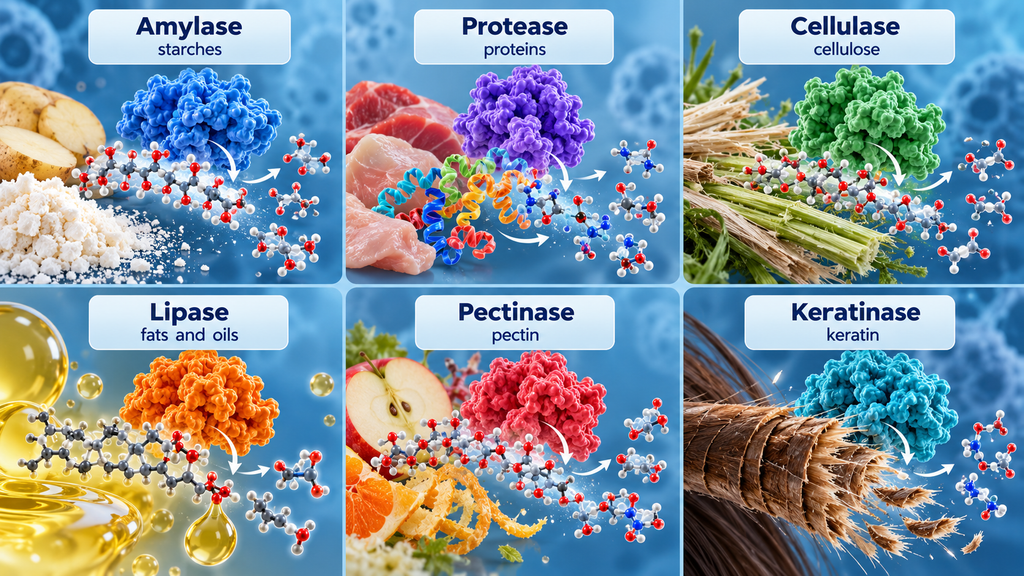
These microorganisms can produce six identified enzyme types:
The formulation also contains a microbial culture capable of producing its own biosurfactant.
Importantly, these enzymes are associated with the microorganisms’ biological activity. This does not necessarily mean all six are separately added as purified ingredients.
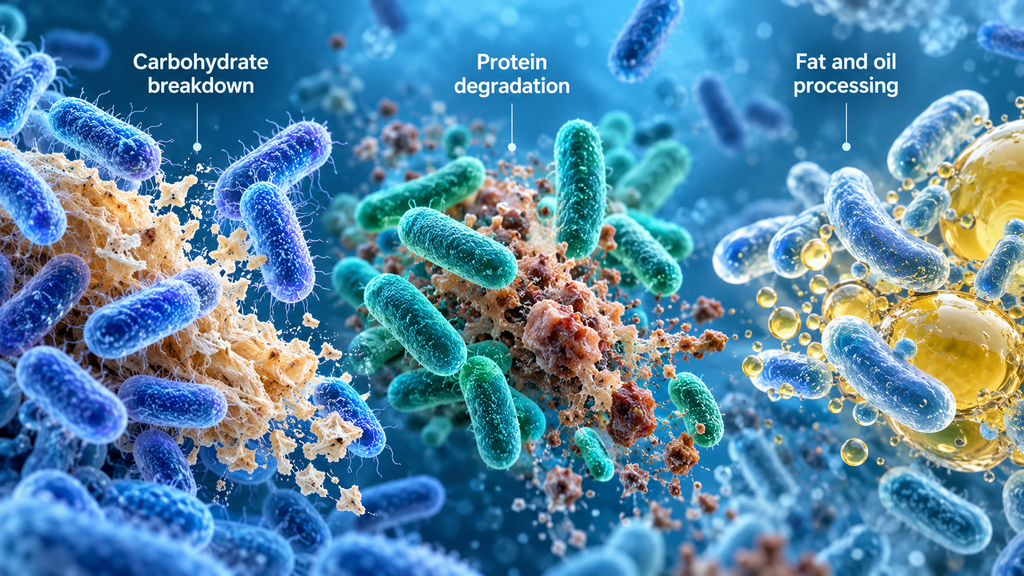
Wastewater contains a diverse mixture of organic substances, ranging from carbohydrates and proteins to grease and plant-derived material.
Different microorganisms possess different metabolic capabilities. Some produce enzymes that target carbohydrates, while others can act on proteins or fats.
By combining selected cultures, Aquarius SC aims to provide a broader range of organic waste-degrading activities.
The Aquarius Microbial Magic eBook describes this as synergistic blending: bringing together microorganisms with complementary capabilities.
This approach is particularly relevant because the composition of wastewater changes depending on household activities, food preparation and everyday product use.
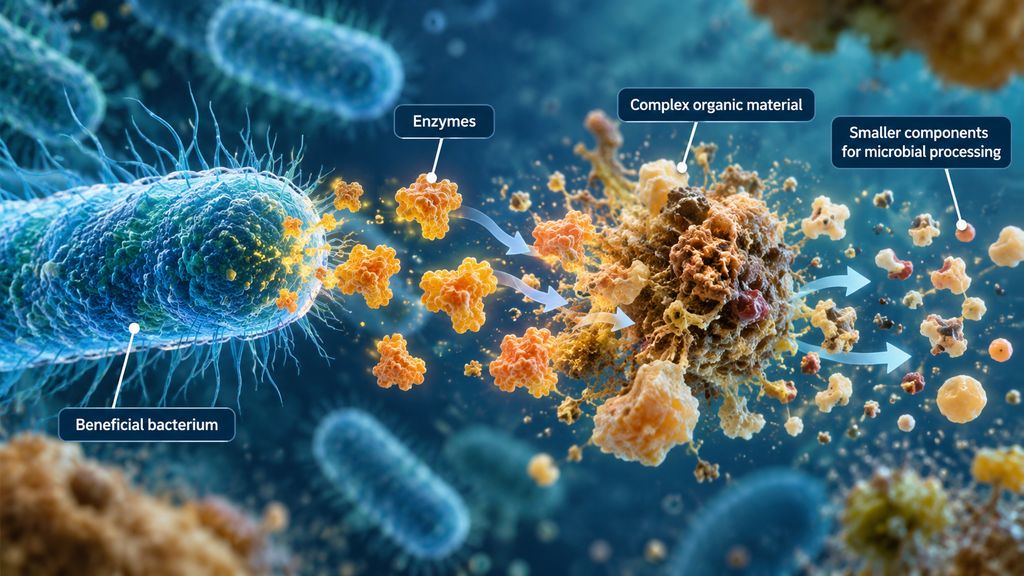
Bacteria cannot simply absorb large pieces of solid organic waste.
Instead, many microorganisms produce extracellular enzymes that break complex organic molecules into smaller components.
This process makes certain nutrients more accessible for bacterial uptake and metabolism.
For example, proteases help break down proteins, while amylases act on starches.
Unlike purified enzymes, living bacteria can multiply and continue producing enzymes when environmental conditions support their activity.
Scientific research into microbial enzymes and environmental biotechnology explores the wider importance of these biological processes.
However, enzyme activity depends on factors including temperature, pH, available nutrients and the characteristics of the wastewater.
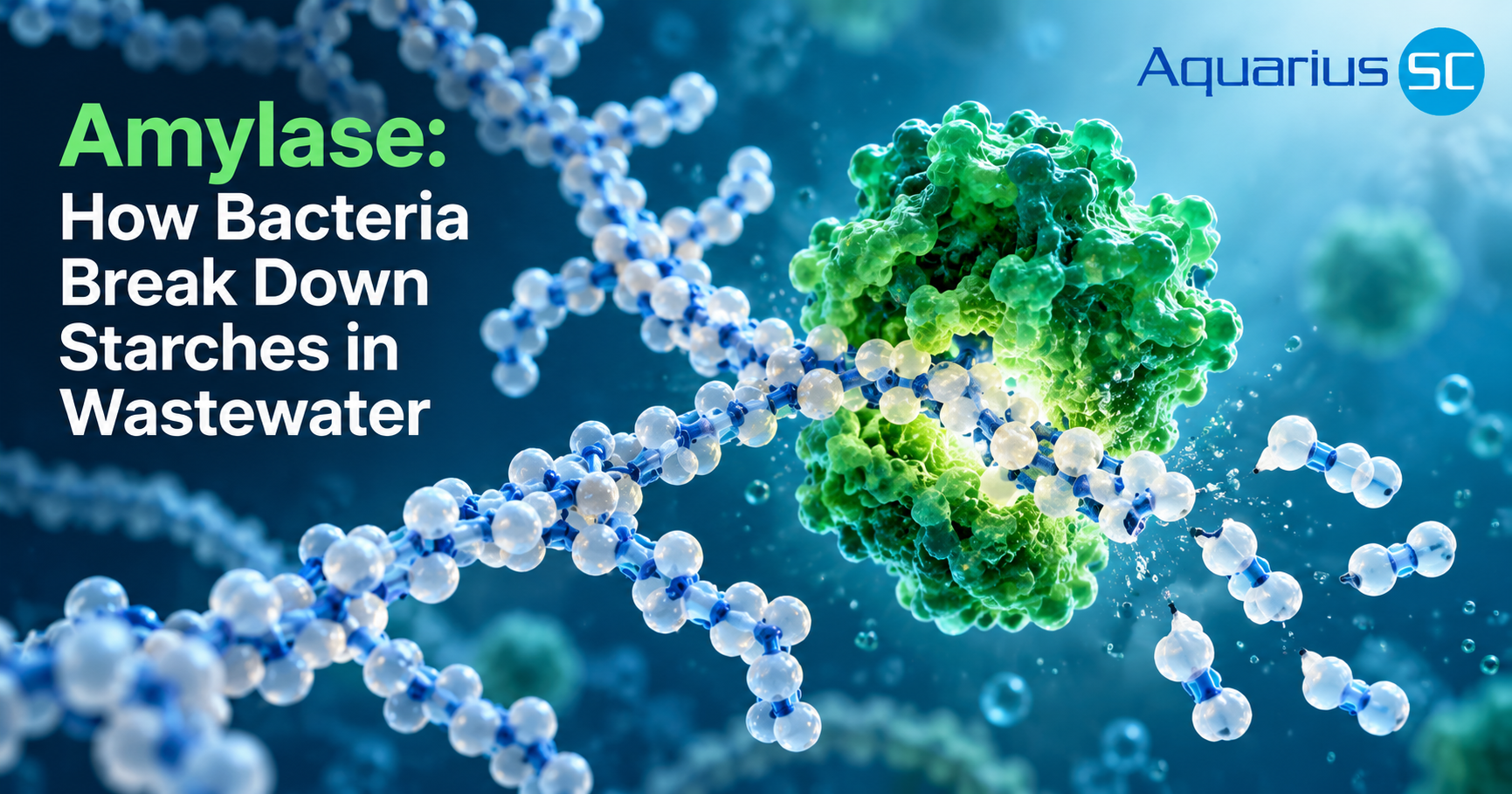
Amylase enzymes act on starch molecules, producing smaller carbohydrates that can undergo further microbial processing.
Starch-containing food residues may enter domestic wastewater through everyday kitchen activities.
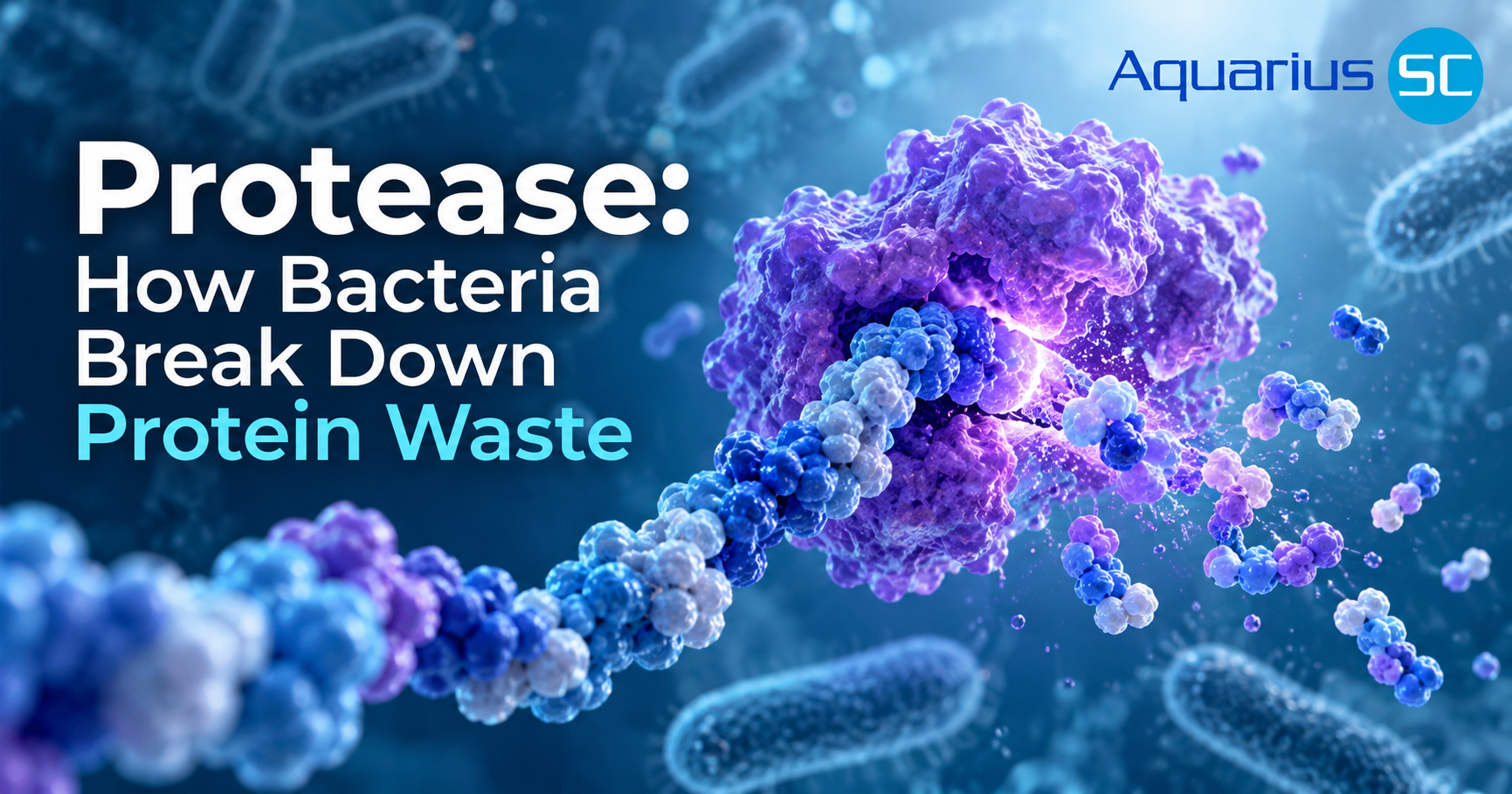
Proteases catalyse reactions that break peptide bonds within proteins.
This contributes to the decomposition of protein-containing organic materials present in wastewater.
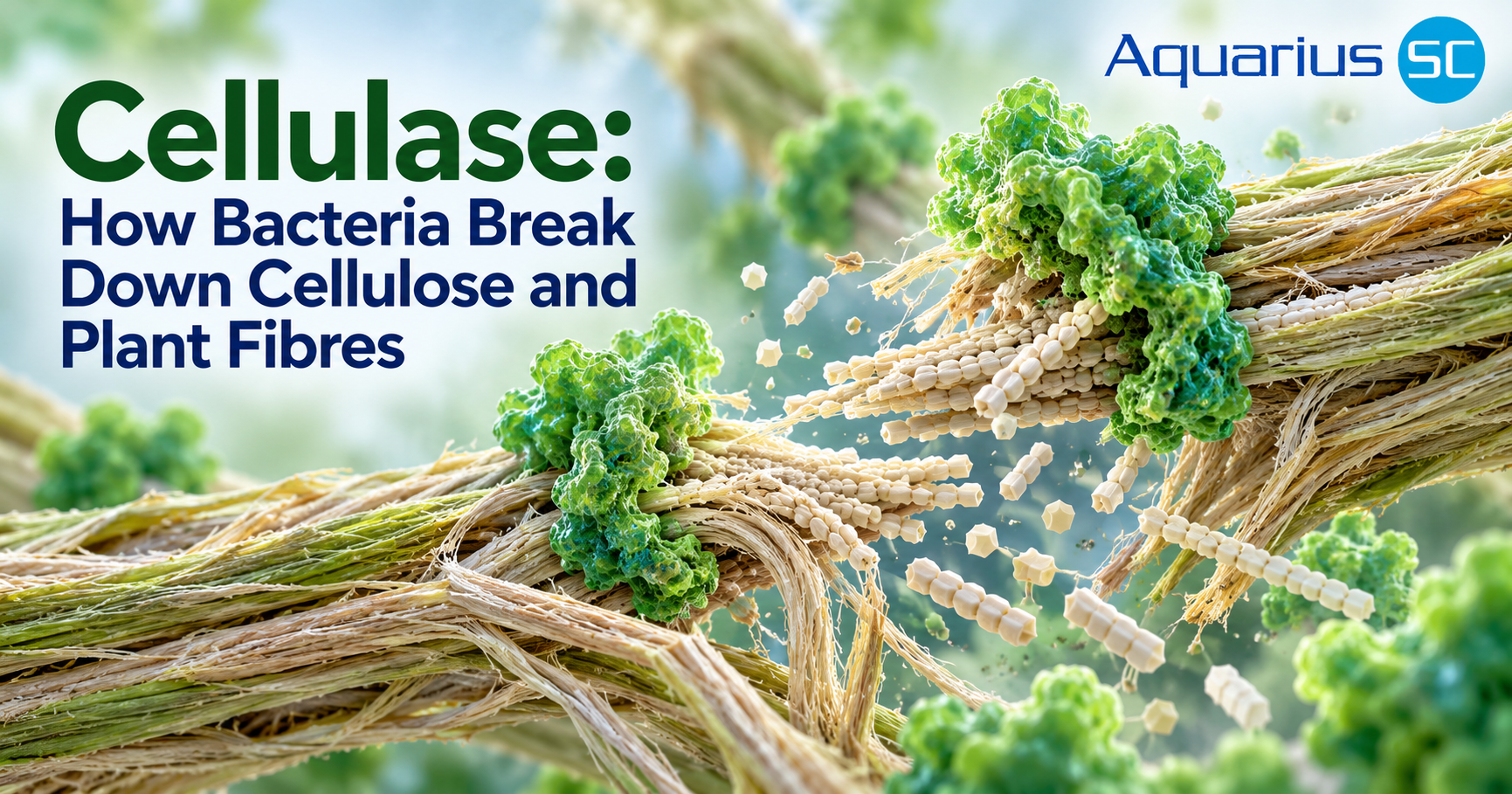
Cellulase helps break down cellulose, a major structural component of plant cell walls.
This activity is relevant to biodegradable plant-derived waste but does not make unsuitable paper products safe to flush.
Lipases break down fats into smaller components, including fatty acids and glycerol.
Their activity is relevant to grease-containing wastewater, particularly in kitchen drainage.
However, fats and cooking oils should still be prevented from entering drains wherever possible.
Pectinase acts on pectin, a complex carbohydrate commonly found in fruit and vegetable tissues.
This provides another mechanism for processing plant-derived organic matter.
Keratinase can act on keratin, a relatively resistant protein found in hair, feathers and nails.
The extent of degradation varies according to the specific enzyme, material and operating conditions.
These six activities illustrate why a multi-culture formulation can target a wider range of substrates than one individual enzyme.
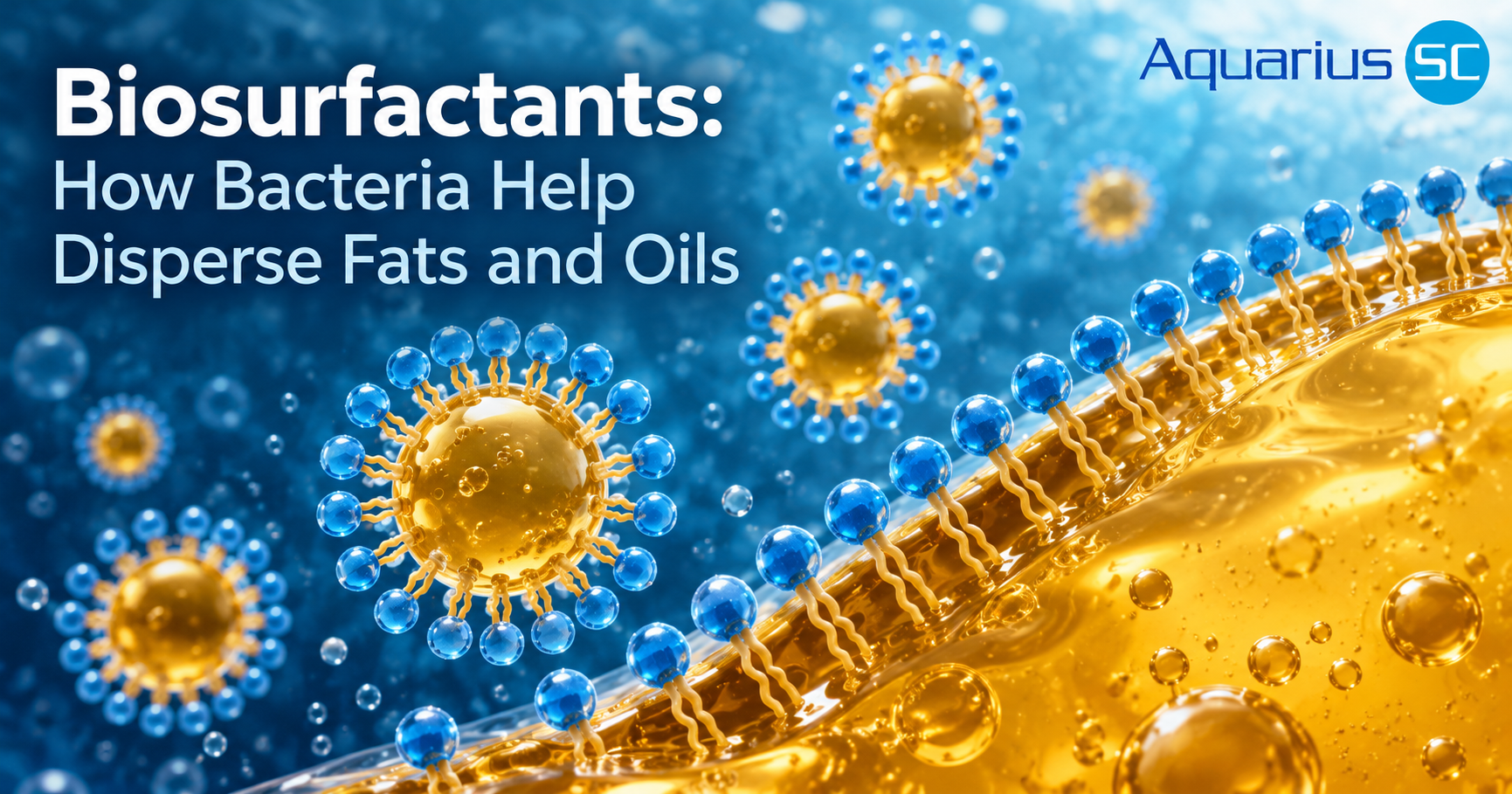
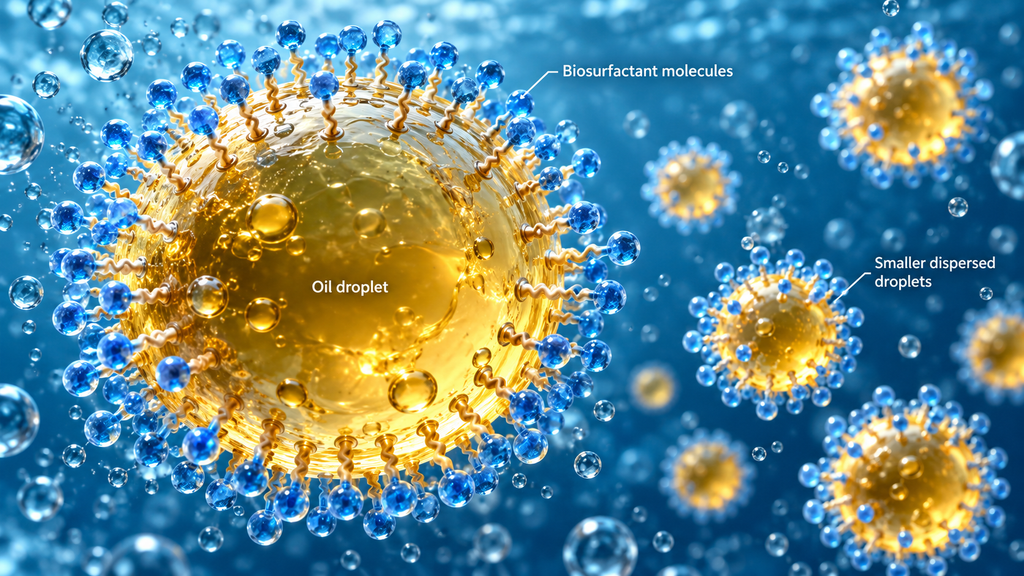
Biosurfactants are surface-active compounds produced by certain microorganisms.
They can reduce surface or interfacial tension, influencing how oily materials interact with water.
This can improve the dispersion and accessibility of some hydrophobic substances, making them more available for microbial processes.
Aquarius SC contains a culture capable of biosurfactant production, complementing its enzyme-producing microorganisms.
Research published in Frontiers in Microbiology on microbial biosurfactants explains their properties and biological applications.
Biosurfactants and lipases perform different functions: biosurfactants influence interactions between materials, while lipases catalyse reactions involving fats.
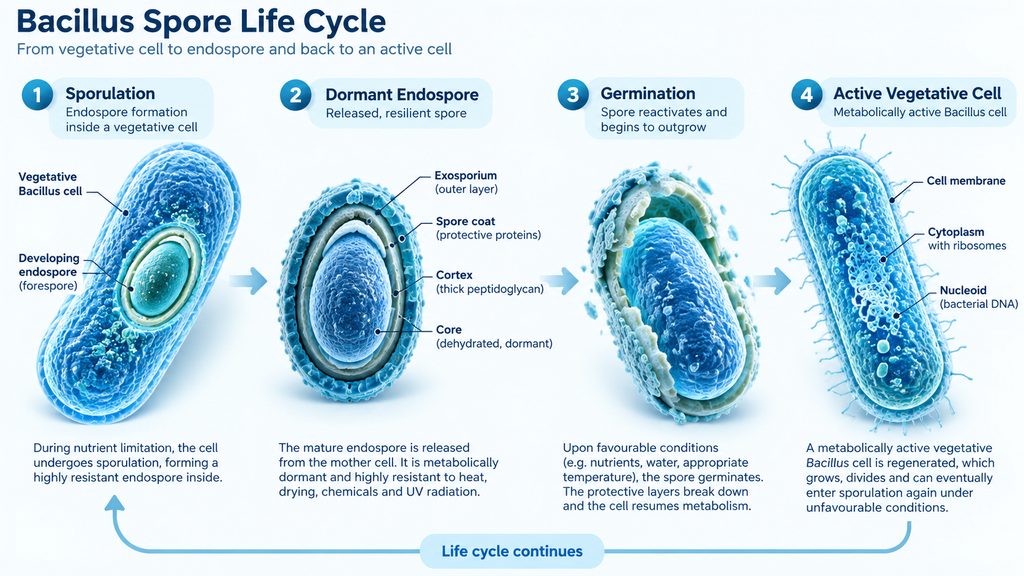
The Aquarius Microbial Magic eBook identifies Bacillus as the principal microbial genus used across Aquarius biological products.
Many Bacillus species can form protective spores that help them survive unfavourable environmental conditions.
When conditions improve, these spores can germinate into active bacterial cells.
The eBook describes how active Bacillus cells produce enzymes, obtain nutrients and reproduce.
It identifies several species used within the wider Aquarius range, including Bacillus subtilis and Bacillus licheniformis.
However, the document does not confirm the exact species included in Aquarius SC sachets.
Aquarius SC has a published standard viable microbial count of approximately one billion colony-forming units per gram (CFU/g).
CFU is a laboratory measurement estimating the number of viable microorganisms capable of forming colonies under specified conditions.
Each standard sachet contains 29 grams.
Although microbial concentration is an important formulation characteristic, effectiveness also depends on the microorganisms’ capabilities and the environment in which they are used.
No biological treatment removes the need for routine septic tank maintenance.
Systems still require appropriate sludge removal, inspections and repairs when necessary.
The Environment Agency’s guidance on septic tank maintenance explains the requirements for qualifying installations in England.
Biological treatments cannot repair damaged pipework, replace a failed drainage field or make an unlawful discharge compliant.
For further practical guidance, read The Complete Guide to Septic Tank Maintenance.
The key feature of Aquarius SC is the combination of complementary microbial activities.
Different cultures can produce enzymes targeting different organic substances, while biosurfactant production provides an additional mechanism relevant to oily materials.
Rather than relying on one biological reaction, the formulation brings together several processes involved in organic waste decomposition.
For product specifications and recommended dosage information, see Aquarius SC Sachets.
Aquarius SC’s combined formulation demonstrates how selected microorganisms can contribute different capabilities to biological wastewater treatment.
Its six identified enzyme activities target carbohydrates, proteins, fats and other organic materials, while a biosurfactant-producing culture provides complementary surface-active properties.
Understanding these components explains the science behind Aquarius SC and provides a foundation for exploring individual bacterial species and enzyme f