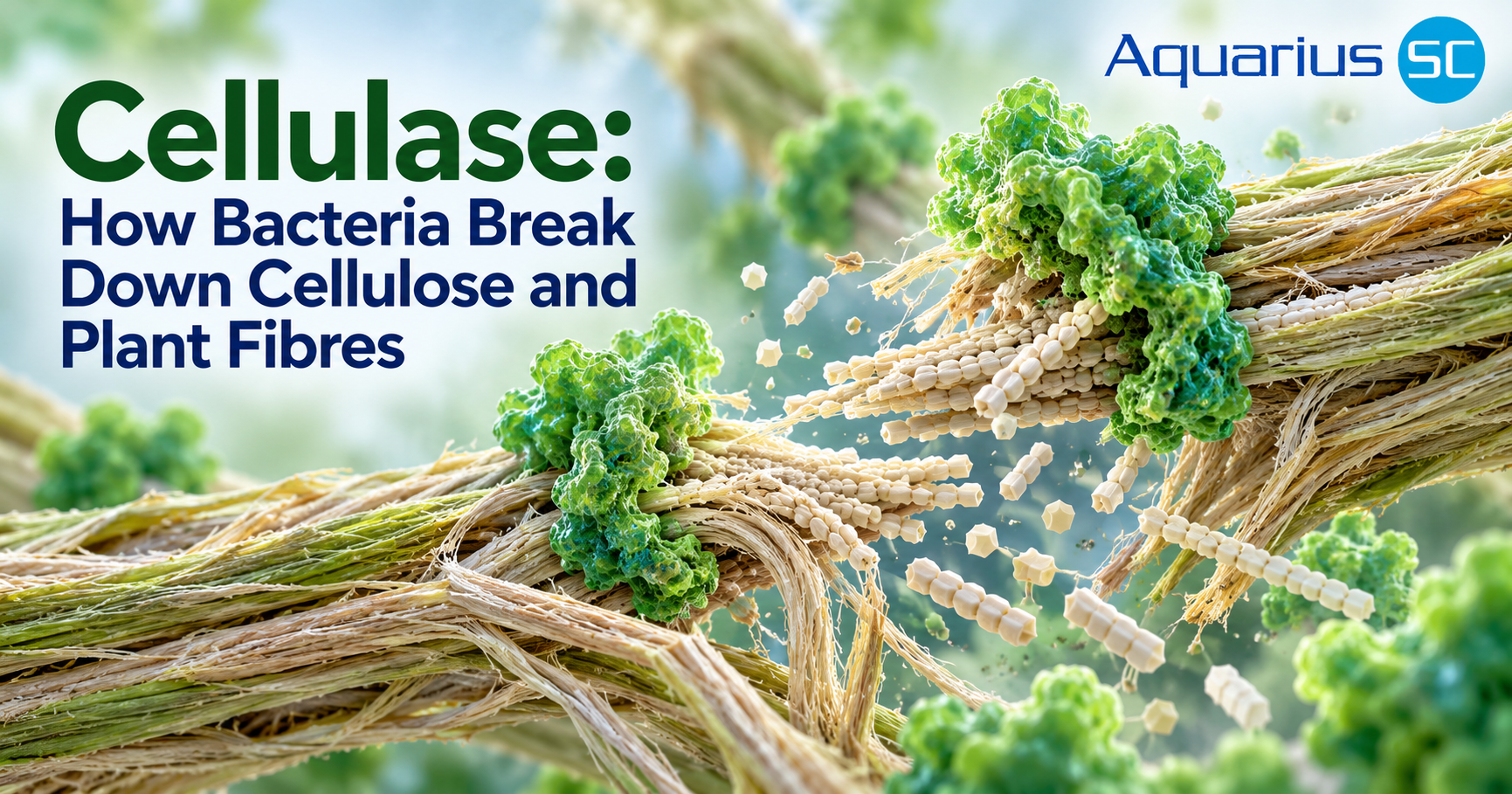
Plant fibres are among the most abundant sources of organic material in the natural environment. Many contain cellulose, a complex carbohydrate that requires specialised biological processes before microorganisms can fully utilise it.
One important group of enzymes involved in this process is cellulase, which helps break cellulose into smaller carbohydrates.
Cellulase is one of six enzyme activities identified in the Aquarius SC biological formulation. Understanding its role explains how beneficial bacteria contribute to the decomposition of plant-derived materials in wastewater treatment systems.
Cellulase refers to a group of enzymes that catalyse the hydrolysis of cellulose, a structural carbohydrate found in plant cell walls.
Cellulose consists of long, unbranched chains of glucose molecules connected by beta-1,4 glycosidic bonds.
These bonds make cellulose structurally different from starch, even though both carbohydrates contain glucose.
Cellulase enzymes help break these bonds, producing shorter carbohydrate chains and, through additional reactions, glucose.
A scientific review of microbial cellulose degradation explains how bacteria and fungi produce complementary enzymes that work together to process cellulose.
Cellulose molecules are too large for many microorganisms to absorb directly.
Certain bacteria overcome this limitation by producing enzymes that act on cellulose outside their cells or at the cell surface.
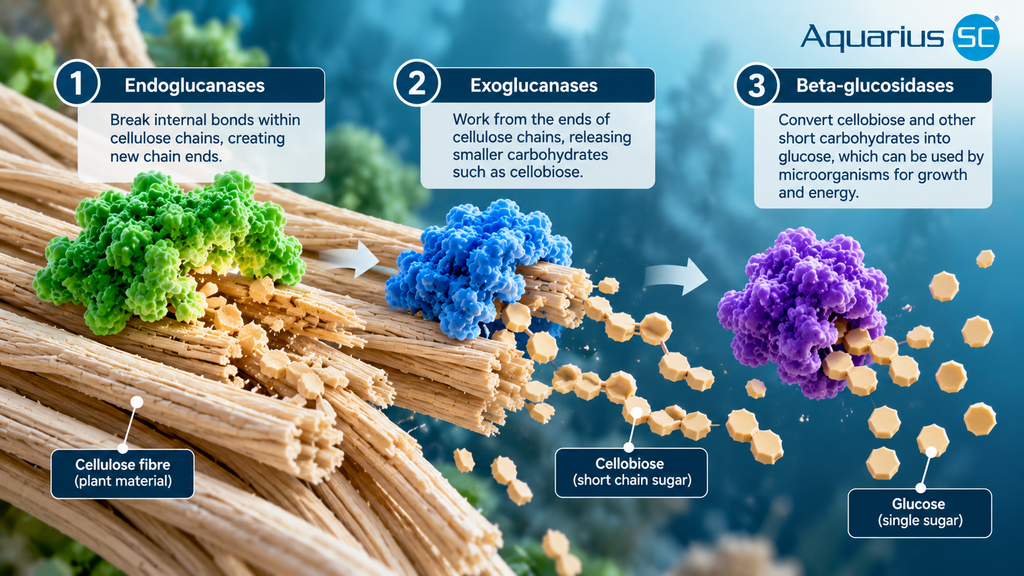
Cellulose degradation commonly involves three complementary enzyme activities:
These activities collectively contribute to cellulose hydrolysis.
Suitable microorganisms can then use the resulting carbohydrates for metabolism and growth.
However, the process depends on cellulose accessibility, environmental conditions and the particular enzymes involved.
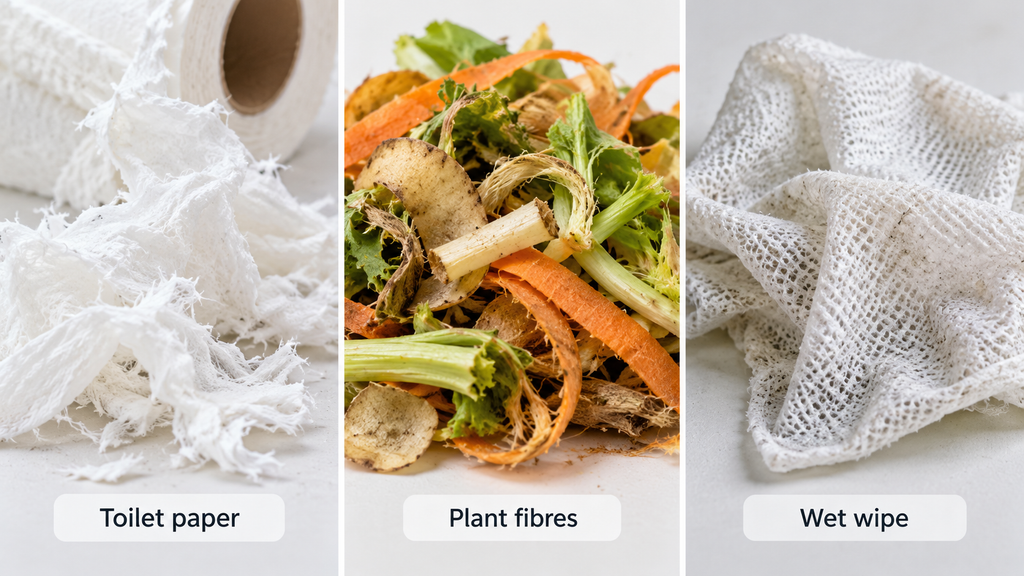
Cellulose-containing materials can enter wastewater through normal domestic and commercial activities.
Common sources include:
Not every cellulose-containing product breaks down at the same rate.
Materials may contain coatings, synthetic fibres, binders or other substances that affect their behaviour in wastewater.
Products marketed as biodegradable are not necessarily suitable for flushing.
In particular, wipes and other unsuitable sanitary products should be disposed of in household waste rather than toilets.
Septic tanks depend on naturally occurring microorganisms to process biodegradable organic matter.
When cellulose-containing material enters the system, suitable microbial communities can contribute to its gradual decomposition.
Cellulase enzymes help convert accessible cellulose into smaller carbohydrates, which may undergo further microbial processing.
This forms part of the wider biological treatment process.
However, cellulose degradation is not instantaneous, and some materials can persist within wastewater systems.
Excessive fibrous waste may contribute to sludge accumulation, drainage problems or blockages.
Research examining the fate of cellulose in wastewater treatment highlights its significance in wastewater management and resource recovery.
Cellulase activity therefore complements normal treatment processes rather than replacing appropriate waste disposal or system maintenance.
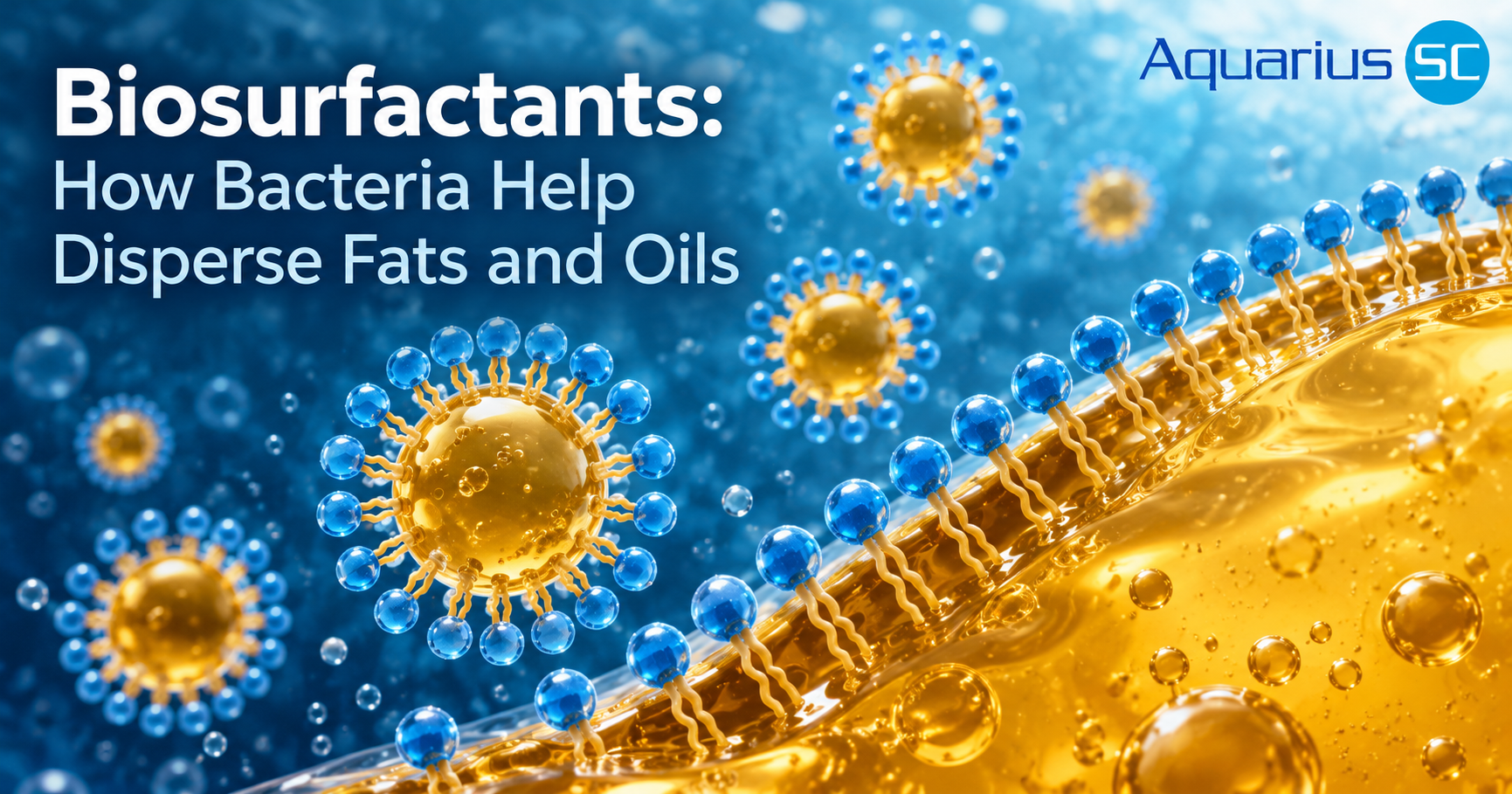
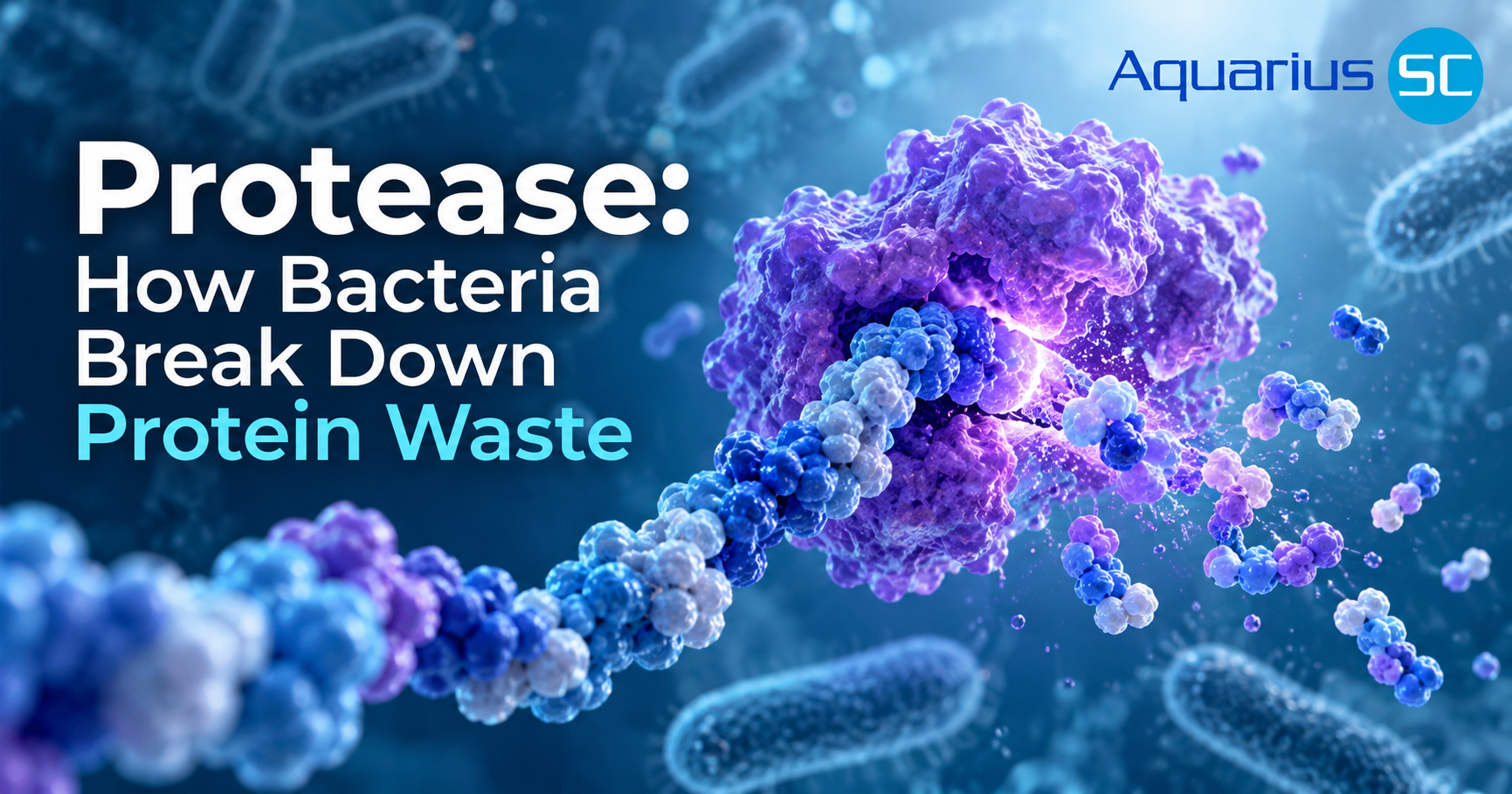
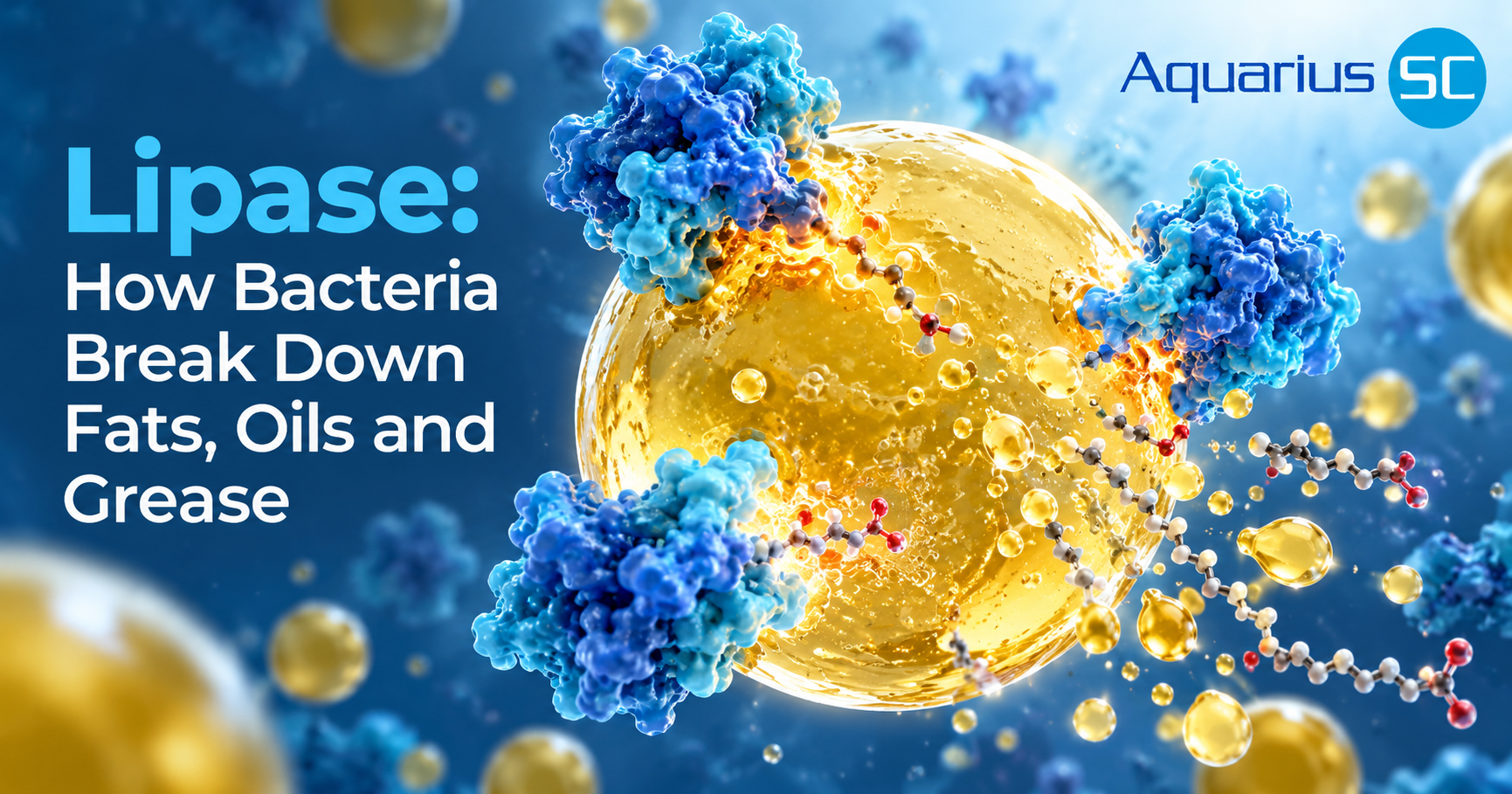
Aquarius SC contains selected microbial cultures capable of producing several enzyme activities.
Its published formulation identifies six:
Cellulase provides the cellulose-degrading component of this combined biological approach.
The Aquarius Microbial Magic eBook explains that selected bacteria can produce enzymes as part of their metabolism when suitable nutrients and environmental conditions are available.
Unlike purified enzymes, living microorganisms may continue producing fresh enzymes while conditions support their activity.
For a detailed explanation of how these biological components work together, read Aquarius SC Ingredients – How Beneficial Bacteria, Enzymes and Biosurfactants Work Together.
Numerous microorganisms can produce cellulase enzymes.
These include certain bacteria belonging to genera such as Cellulomonas, Clostridium and Bacillus.
However, cellulase-producing capabilities vary considerably between species and strains.
Some microorganisms produce individual cellulose-degrading enzymes, while others possess more extensive enzyme systems.
The Aquarius technical eBook identifies Bacillus as the principal bacterial genus associated with its wider biological product range.
Nevertheless, the available documentation does not confirm which individual bacterial strains produce cellulase within Aquarius SC sachets.
The distinction matters because belonging to a particular genus does not guarantee identical enzyme production.
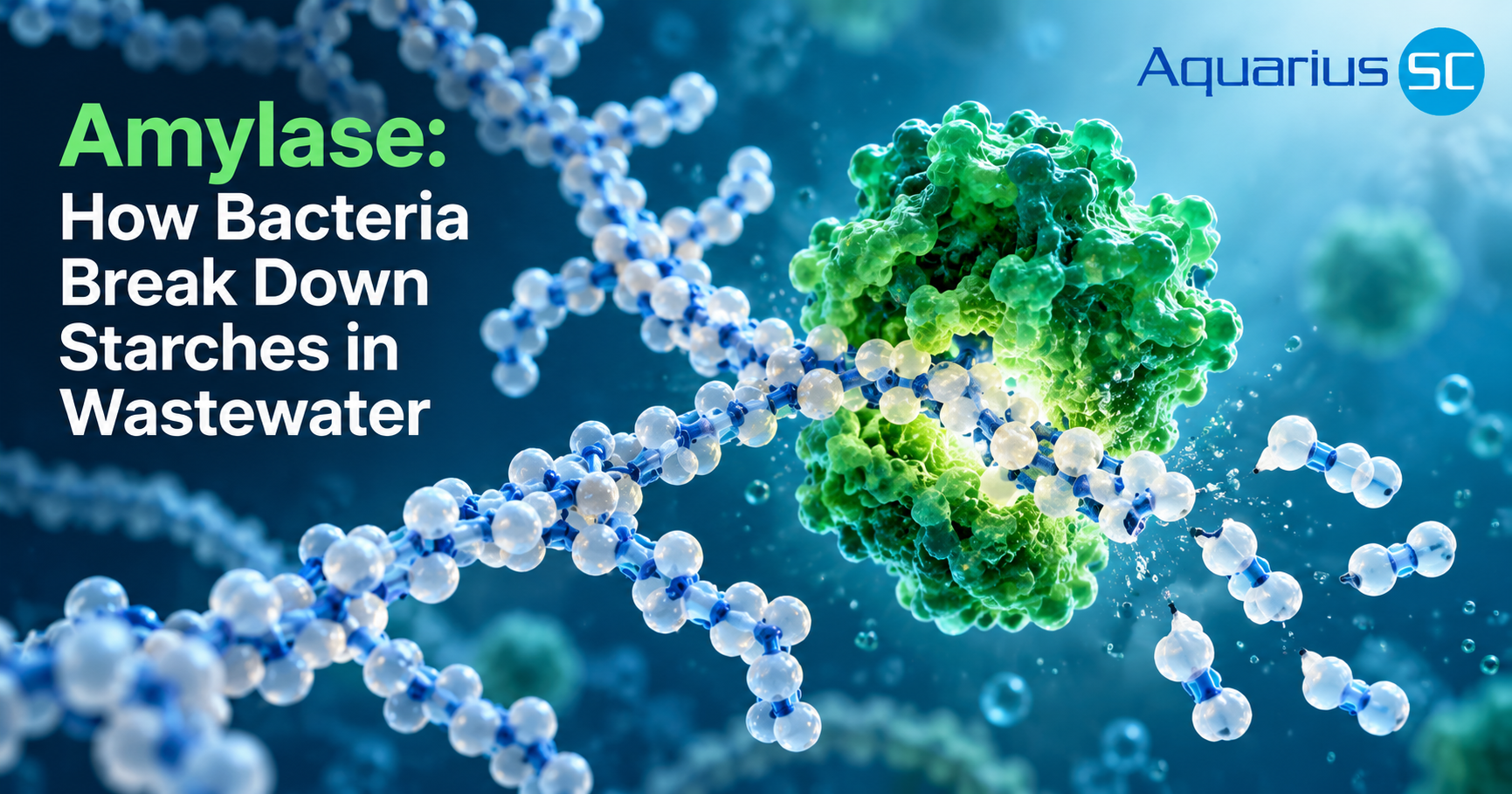
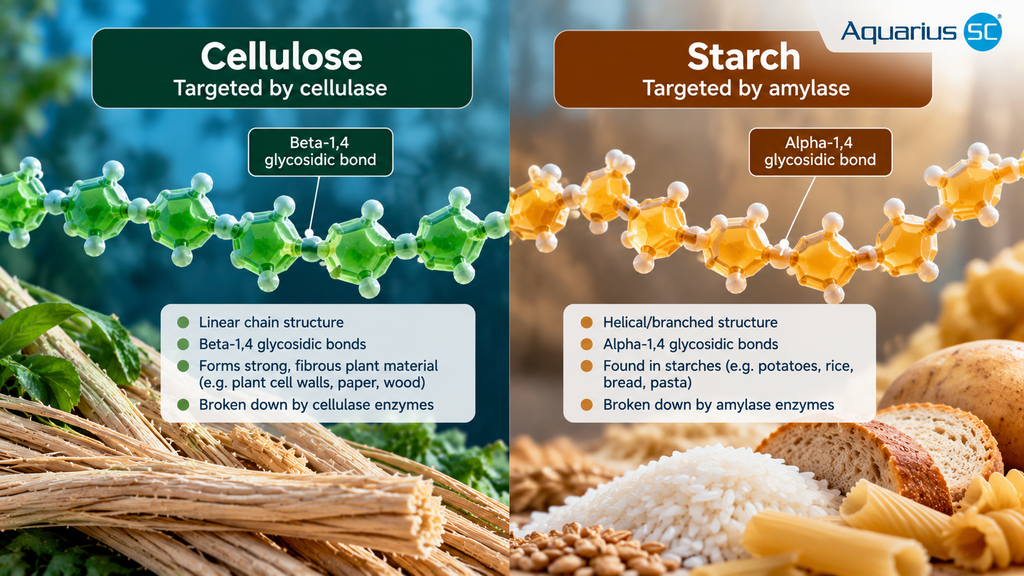
Cellulase and amylase both act on carbohydrates, but they target different molecular structures.
Cellulase acts on cellulose, which contains beta-1,4 glycosidic bonds.
Amylase acts on starch, primarily targeting alpha-1,4 glycosidic bonds.
Although starch and cellulose both contain glucose, their different chemical bonds require different enzyme activities.
This explains why a formulation designed to process varied organic substances can benefit from complementary carbohydrate-degrading capabilities.
For further information, see Amylase – How Bacteria Break Down Starches in Wastewater.
Cellulose degradation depends on several factors.
Temperature: Different cellulase enzymes function within particular temperature ranges. Excessive heat may damage their structure.
pH: Enzyme activity varies with acidity and alkalinity.
Cellulose accessibility: Tightly packed fibres or surrounding materials can limit enzyme access.
Microbial conditions: Living microorganisms require suitable conditions to maintain enzyme production.
Chemical exposure: Certain chemicals may inhibit enzymes or affect the bacteria producing them.
These factors influence the rate and extent of cellulose decomposition.
Cellulase can contribute to the degradation of accessible cellulose fibres, including those found in ordinary toilet paper.
However, it cannot guarantee complete breakdown or prevent blockages.
Many wipes contain synthetic fibres or materials that do not behave like toilet paper.
Even products labelled biodegradable may remain unsuitable for flushing.
Cellulase should never be regarded as a solution for disposing of wipes, sanitary products or excessive paper waste.
Yes. Certain bacterial species naturally produce cellulose-degrading enzymes.
Cellulase can act on accessible cellulose within wood, but lignin and other structural components make complete decomposition considerably more complex.
No. Cellulase targets cellulose and does not remove the need for appropriate septic tank emptying and maintenance.
Cellulase contributes to biological wastewater treatment by breaking accessible cellulose into smaller carbohydrates that suitable microorganisms can process.
Within Aquarius SC, cellulase-producing microbial activity complements other enzyme functions, supporting a broader range of organic waste-degrading capabilities.
Understanding this process highlights the importance of complementary microbial activities in biological wastewater management.