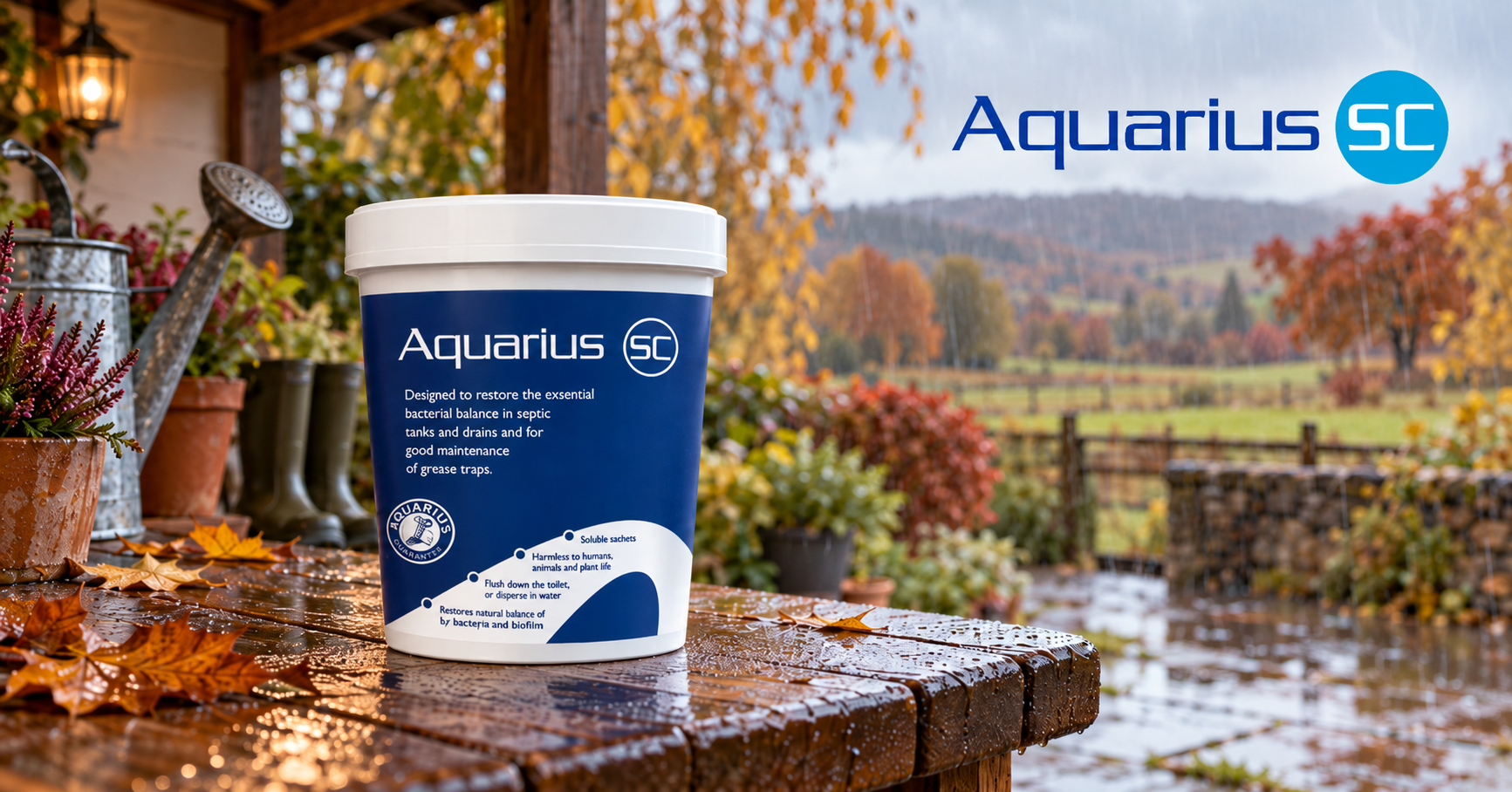
As autumn arrives and winter approaches, increased rainfall, falling temperatures and waterlogged ground can create additional challenges for properties that rely on septic tanks.
While septic systems are designed to operate throughout the year, prolonged rainfall can affect how efficiently wastewater drains into the surrounding soil. When the ground becomes saturated, your drainage field may struggle to absorb additional wastewater, potentially leading to slow drainage, unpleasant odours or sewage backing up into your property.
Fortunately, there are practical steps homeowners can take before the wettest months arrive.
From checking your drainage field to managing rainwater around your property, preparing your septic system for autumn and winter can help you identify developing problems early and reduce the risk of unexpected disruption.

Understanding how rainfall affects your septic system starts with knowing the difference between your septic tank and its drainage field.
Your septic tank separates wastewater into different layers. Heavier solids settle at the bottom, while oils and lighter materials rise to the surface. The remaining liquid flows towards the drainage field, where it passes through the soil for further treatment.
Under normal conditions, the surrounding ground allows this wastewater to disperse gradually.
However, prolonged rainfall can increase the amount of moisture already present in the soil. When the ground becomes saturated, there may be insufficient capacity for additional wastewater to drain away effectively.
This can cause several problems:
Heavy rainfall does not automatically mean your septic tank will fail. However, persistent wet conditions can expose existing drainage problems or place additional pressure on systems with limited drainage capacity.
For a more detailed explanation, read our guide: Can Heavy Rain Affect a Septic Tank?
Taking a proactive approach before prolonged rainfall can help you identify potential problems and keep your system properly maintained.
Here are six important checks to consider as autumn turns into winter.
Your drainage field is one of the most important components of your septic system, and its condition can have a significant effect on overall performance.
Before periods of prolonged rainfall, visually inspect the surrounding ground for signs of poor drainage.
Look out for persistent wet patches, unusually lush areas of grass, standing water or unpleasant sewage odours.
Although wet ground is common during autumn and winter, patches that remain waterlogged when surrounding areas have dried may indicate a problem worth investigating.
Avoid digging into the drainage field or attempting repairs yourself. If you suspect wastewater is escaping or the drainage field is no longer functioning correctly, arrange an inspection by a competent septic system professional.
During autumn, fallen leaves and debris can accumulate in gutters and drainage channels, potentially affecting how rainwater moves away from your property.
Blocked gutters may cause water to overflow and collect around areas of the garden that are already vulnerable to saturation.

Check that gutters and downpipes are clear and functioning correctly, and make sure surface water is not being directed towards your septic tank or drainage field.
Rainwater from roofs, patios and driveways should not be connected to your septic tank, as this can unnecessarily increase the volume of water entering the system.
Where drainage improvements are needed, seek professional advice before altering existing pipework or discharge arrangements.
Your septic tank access cover should remain securely fitted and in good condition throughout the year.
Autumn is a useful time to check for visible damage, loose fittings or signs that water may be entering around the access point.
Rainwater entering a tank through damaged covers or faulty connections can increase hydraulic loading, potentially affecting the system’s performance.
Inspect the cover from ground level without attempting to lift or open it.
Septic tanks can contain dangerous gases, and access points should only be opened by appropriately trained professionals.
If you notice damage or suspect water is entering the tank, arrange for a qualified specialist to investigate.
Saturated ground is particularly vulnerable to damage from heavy vehicles and machinery.
Driving over a drainage field can compact the soil and potentially damage buried pipework, reducing its ability to absorb and treat wastewater.
Avoid parking vehicles, placing heavy equipment or storing substantial loads above the drainage field.
This is especially important during autumn and winter when prolonged rainfall can leave the soil softer than usual.
Keeping the area protected also helps maintain access for future inspections and maintenance.
Regular septic tank emptying is essential for preventing excessive sludge accumulation.
Over time, solids collect at the bottom of the tank and must be removed professionally. If sludge builds up beyond the tank’s capacity, solids may pass into the drainage field, contributing to blockages and potentially damaging the system.
Autumn is a sensible time to review your maintenance records and check whether your next emptying is due.
The Environment Agency advises that septic tanks and small sewage treatment plants in England should be desludged at least annually, or according to the manufacturer’s instructions, before sludge exceeds the permitted capacity.
If you’re unsure when your tank was last serviced, contact your maintenance provider for advice.
Emptying a septic tank is important routine maintenance, but it will not repair a waterlogged or failing drainage field.
When the surrounding ground is already saturated, reducing unnecessary wastewater entering your septic system may help limit additional hydraulic pressure.
Simple habits can make a difference, particularly during extended periods of heavy rain.
Try spreading laundry loads throughout the week rather than running several consecutive washing cycles. Avoid leaving taps running unnecessarily, repair leaking toilets and consider staggering high-water-use activities.
These measures will not resolve an underlying drainage problem, but they can help reduce the volume of wastewater your system needs to manage at any one time.
If you experience persistent slow drainage, sewage backing up or wastewater surfacing in the garden, seek professional advice rather than relying on reduced water usage alone.
For further guidance on ongoing care, visit our Complete Guide to Septic Tank Maintenance
Although septic systems are designed to operate in varying weather conditions, prolonged rainfall can sometimes reveal problems that would otherwise go unnoticed.
Recognising the early warning signs can help homeowners take action before minor drainage issues develop into more serious problems.
One of the first signs of a potential drainage problem is wastewater taking longer than usual to leave sinks, baths or toilets.
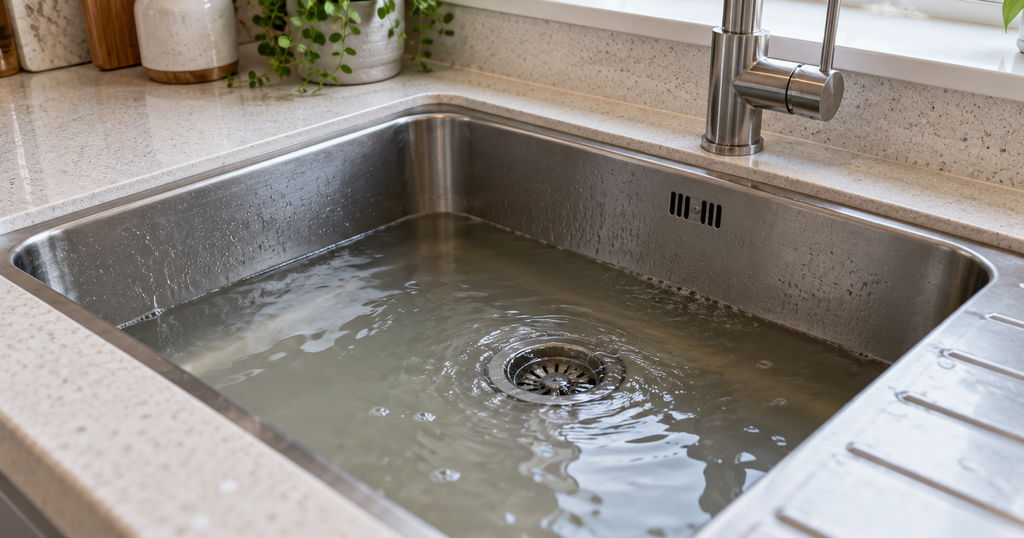
While occasional slow drainage may be caused by a localised blockage, multiple fixtures draining slowly could indicate a wider problem with your household drainage or septic system.
If these symptoms become more noticeable following heavy rainfall, restricted drainage through saturated ground may be contributing to the issue.
Unusual gurgling noises from toilets, sinks or drainage pipes can indicate that air is being displaced within the drainage system.
These sounds may be associated with partial blockages, ventilation issues or restricted wastewater flow.
If gurgling occurs alongside slow drainage or other warning signs, arranging a professional inspection is advisable.
A properly functioning septic system should not produce persistent sewage odours around the property.
Unpleasant smells near the tank, drainage field or household drains could indicate escaping wastewater, ventilation problems or other faults.
Although wet weather may make existing drainage problems more noticeable, sewage odours should not simply be dismissed as a normal consequence of rainfall.
One of the more concerning warning signs is persistent standing water around the drainage field, particularly when accompanied by sewage smells or other drainage problems.
When surrounding soil becomes saturated, wastewater may struggle to disperse below ground.
However, standing water alone does not confirm a septic system failure. Surface water runoff and naturally poor-draining soil can produce similar conditions.
If you suspect the water contains sewage, avoid contact with the affected area and arrange a professional assessment.
If your septic system begins showing signs of trouble during prolonged rainfall, taking the right precautions can help limit further disruption and reduce the risk of contamination.
The most important step is to identify whether the problem involves your household plumbing, the septic tank itself or the drainage field.
If wastewater is draining slowly or backing up, temporarily reducing household water consumption can help limit the amount entering an already struggling system.
Avoid running multiple washing machine cycles, taking unnecessarily long showers or using large quantities of water in quick succession.
If sewage is backing up into your home, stop using affected plumbing fixtures and arrange urgent professional assistance.
Reducing water usage is a temporary precaution, not a solution to a blocked, damaged or waterlogged drainage field.
Septic tanks and drainage systems can present serious hazards, including exposure to harmful gases, contaminated wastewater and unsafe underground structures.
Never enter a septic tank or attempt to investigate internal components yourself.
Similarly, avoid digging into drainage fields, opening inspection covers unnecessarily or attempting to redirect sewage onto another part of your property.
Repairs and investigations should be carried out by appropriately qualified professionals.
If problems continue after rainfall has eased, or sewage is appearing above ground, contact a competent septic tank maintenance specialist.
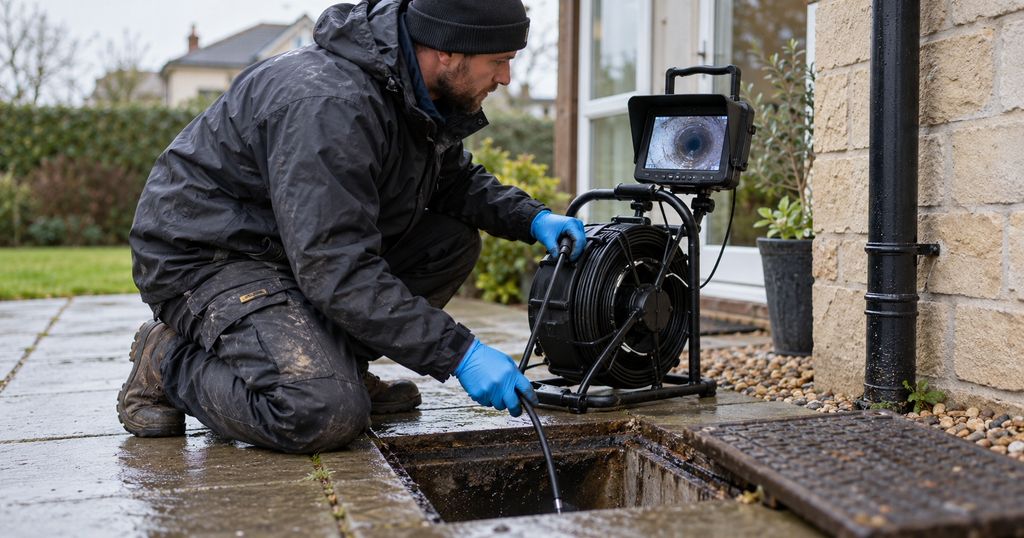
A professional inspection can help determine whether the problem is caused by excessive sludge, blocked pipework, damaged components or inadequate drainage-field performance.
The appropriate solution will depend on the underlying cause. Emptying the tank may be necessary if sludge levels are excessive, but it will not resolve an unsuitable or failed drainage field.
In England, septic systems must be maintained in accordance with the applicable general binding rules, including requirements intended to prevent pollution.
For further information, consult the Environment Agency’s guidance on small sewage discharges.
Wet-weather preparation is not only about checking the drainage field and surrounding ground. The biological processes taking place inside your septic tank remain important throughout the year.
Septic tanks rely on naturally occurring microorganisms to help break down organic material in wastewater.
As wastewater enters the tank, solids settle and accumulate as sludge, while fats and lighter materials can form a floating layer. Microbial activity contributes to the decomposition of some of this organic material.
However, biological activity does not eliminate the need for regular desludging, inspections or appropriate drainage-field maintenance.
Everyday activities can influence what enters your septic system.
Excessive disposal of fats and grease, flushing unsuitable materials and using large amounts of harsh cleaning chemicals can all create problems for septic tank operation.
Non-biodegradable items, including wet wipes and sanitary products, should never be flushed into the system, even when marketed as flushable.
Homeowners should also use household cleaning products responsibly and avoid disposing of concentrated chemicals, solvents or other unsuitable substances through their drains.
Maintaining sensible household habits helps support the conditions needed for effective wastewater treatment.
Aquarius SC is designed to support the biological breakdown of organic waste within septic systems.
Its selected microbial cultures and enzymes are intended to help break down organic materials as part of a regular maintenance routine.
Supplied in convenient soluble sachets, Aquarius SC provides a straightforward way to incorporate biological treatment into ongoing septic tank care.
While the product can support microbial activity, it is important to distinguish biological maintenance from the physical drainage problems caused by heavy rainfall.
Aquarius SC cannot prevent soil saturation, repair damaged pipework or restore a failing drainage field. These issues require appropriate inspection and corrective action.
Used as part of a wider maintenance routine, however, biological treatment can complement sensible household practices and regular professional servicing.
Preparing your septic system for wetter weather doesn’t have to be complicated. A few preventative checks and sensible maintenance habits can help you identify potential issues before they become more serious.
Use this checklist to help keep your septic system in good condition throughout autumn and winter.
Remember, these preventative measures help support routine maintenance but cannot correct an existing drainage field failure.
If you notice persistent drainage problems, sewage odours or wastewater appearing at ground level, arrange an inspection by a competent professional.
Prolonged rainfall can contribute to septic system problems when the surrounding drainage field becomes saturated.
If wastewater cannot disperse effectively through the soil, liquid levels within the system may rise, potentially.