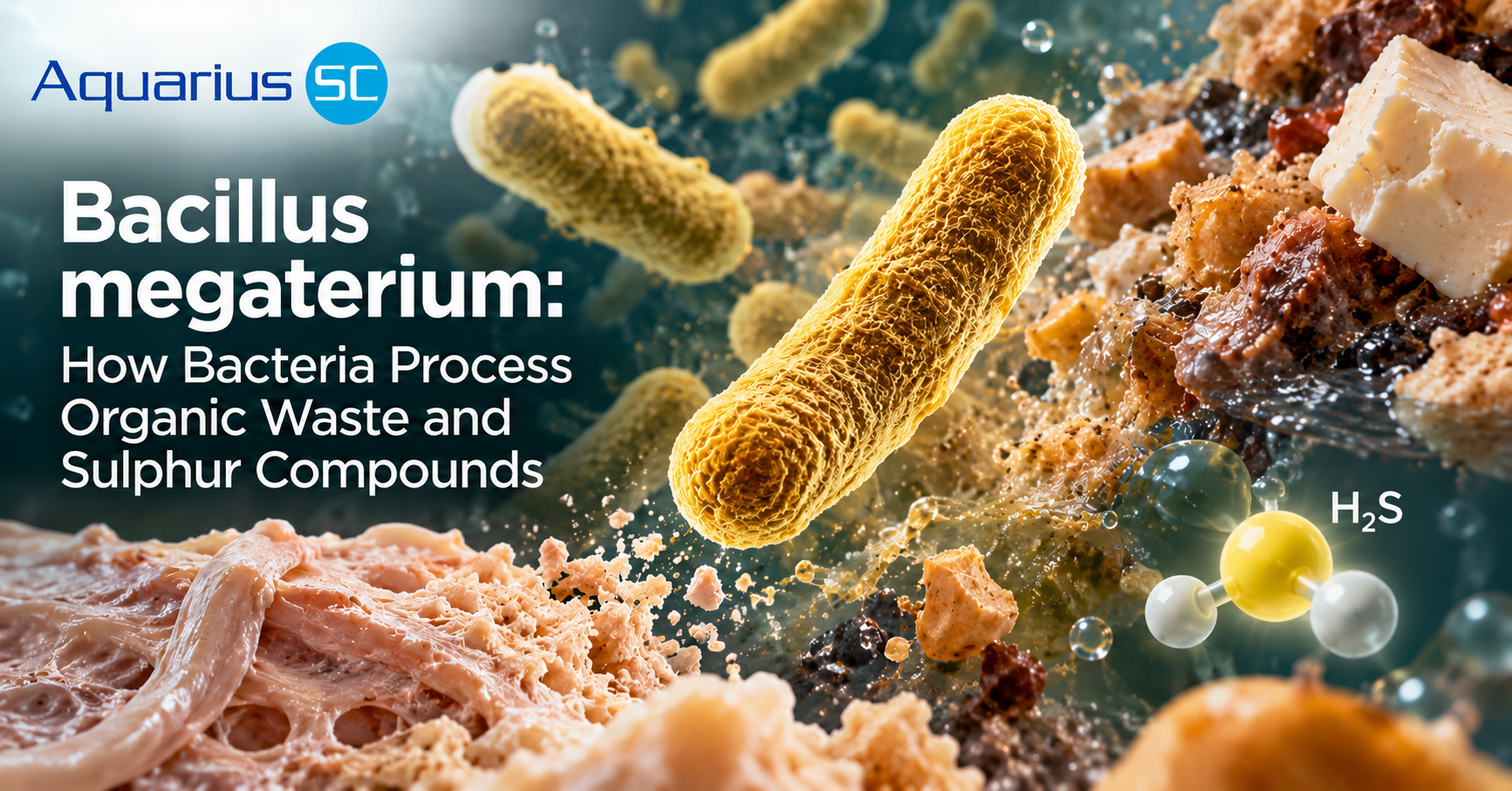
Organic waste decomposition involves more than breaking large substances into smaller particles. As microorganisms consume proteins and other biological materials, they can also transform the nitrogen- and sulphur-containing compounds released during these processes.
Bacillus megaterium is a bacterial species investigated for its ability to produce organic waste-degrading enzymes and participate in metabolic reactions involving sulphur.
Research using dairy-industry waste and animal manure offers an interesting insight into how bacterial activity can influence both the processing of organic materials and the formation of unpleasant-smelling compounds.
These processes are relevant to understanding the complex biology of wastewater and septic tank environments.
Bacillus megaterium is a large, rod-shaped, Gram-positive bacterium commonly found in soil and other environmental habitats.
The species has also been reclassified under the name Priestia megaterium, although its former name remains widely recognised in scientific literature.
Different strains have been investigated for their ability to utilise organic nutrients, produce enzymes and participate in biochemical transformations.
Some strains manufacture proteases capable of processing proteins, while others have attracted attention for their interactions with sulphur-containing substances.
These capabilities make the species relevant to research into biological waste treatment and microbial nutrient cycling.
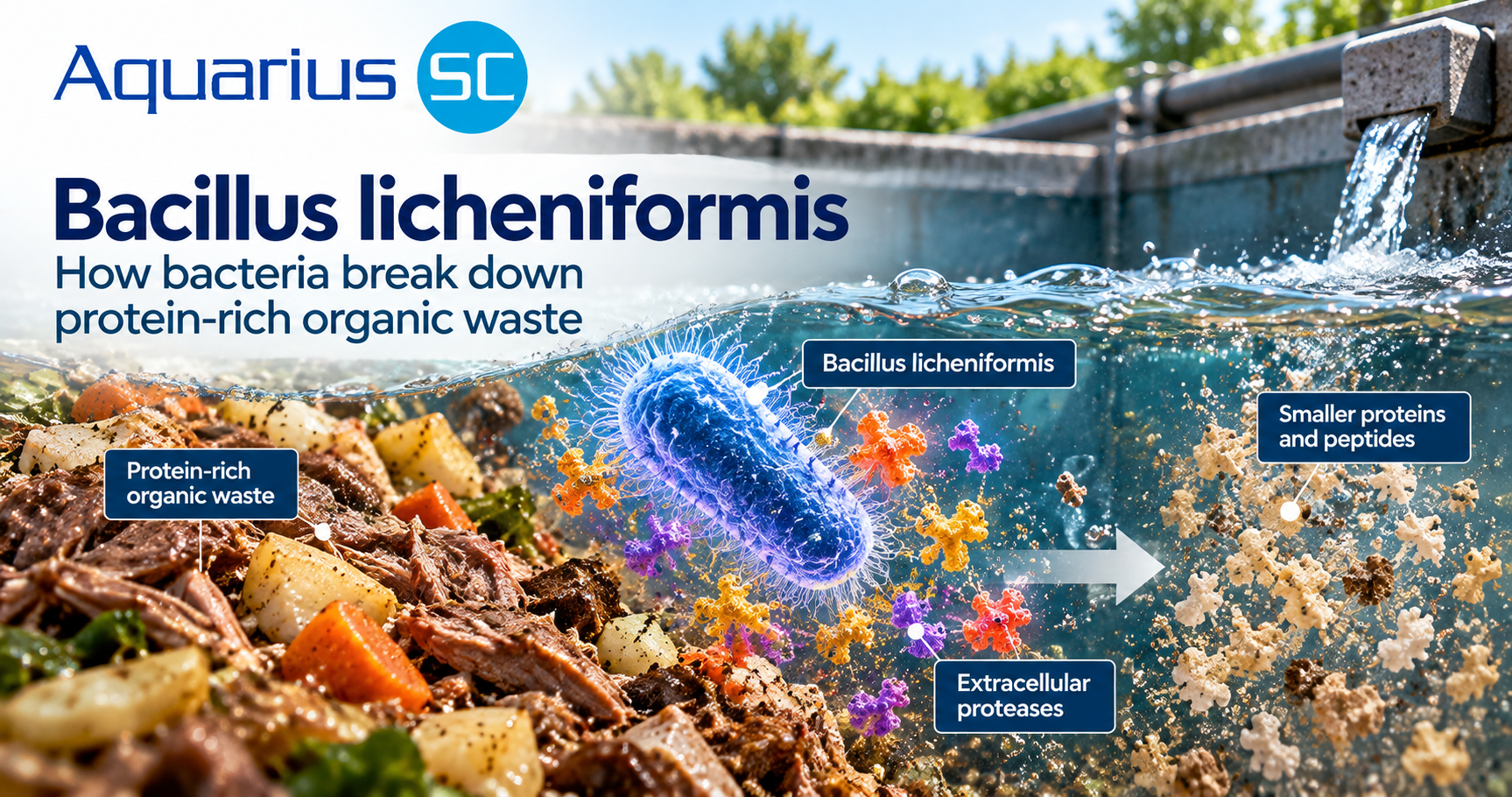
Protein-rich materials are common in organic waste streams, particularly those containing food residues, dairy products and biological solids.
These substances can supply carbon and nitrogen to microorganisms, but much of their nutrient content is initially contained within complex protein molecules.
Certain Bacillus megaterium strains produce proteases that act on these materials, generating smaller protein fragments that can undergo further microbial processing.
The behaviour of these enzymes depends on their specific biochemical characteristics and the materials they encounter.
This has encouraged researchers to investigate strains isolated from environments already containing substantial organic waste.
An interesting example comes from a study investigating Bacillus megaterium AU02, a strain isolated from milk-industry waste.
Researchers found that the strain secreted a calcium-dependent protease with tolerance to certain organic solvents.
They cultivated the organism under controlled conditions and investigated the characteristics of the resulting enzyme.
The study of protease production by Bacillus megaterium AU02 isolated from dairy waste demonstrates how a microorganism recovered from an organic waste environment can possess enzymes capable of acting on protein-containing substrates.
The significance is not simply that the bacterium produces protease.
It is that different bacterial strains can develop or possess enzyme characteristics suited to particular types of organic material and their surrounding conditions.
This contributes to the scientific understanding of microbial processing in waste-rich environments.
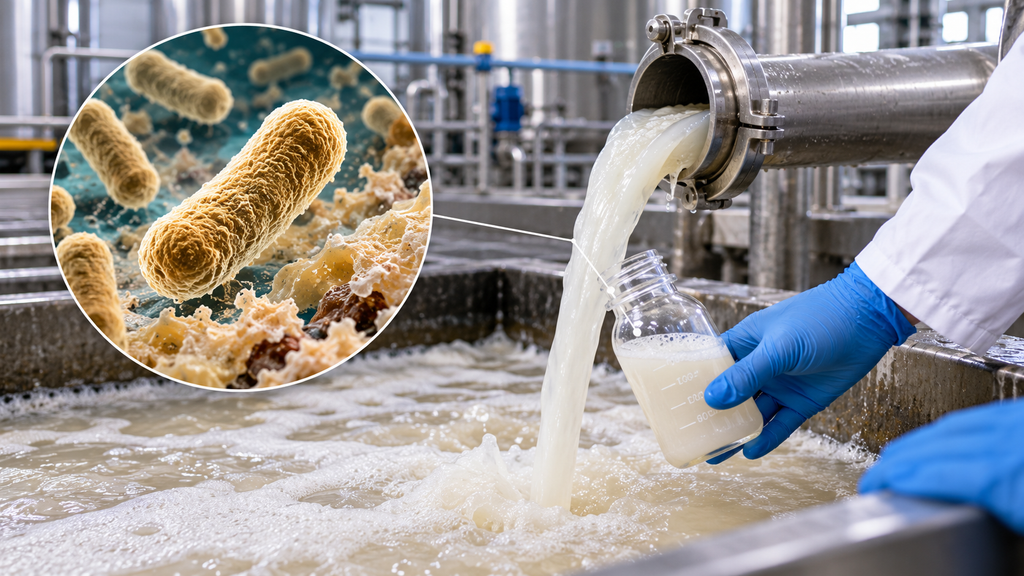
Proteins are composed of amino acids, some of which contain sulphur.
Two important examples are cysteine and methionine.
When protein-containing waste is processed by microorganisms, sulphur originally held within organic molecules can enter further biochemical pathways.
Depending on the microbial community and environmental conditions, some of these reactions can contribute to the formation of hydrogen sulphide.
Hydrogen sulphide is a gas associated with the characteristic rotten-egg smell sometimes encountered around decomposing organic waste.
It can also be hazardous at elevated concentrations.
Its formation is particularly associated with oxygen-depleted environments where sulphate-reducing microorganisms may be active.
However, sulphur does not always follow the same metabolic pathway.
Some microorganisms can assimilate sulphur into cellular material or participate in alternative sulphur transformations.
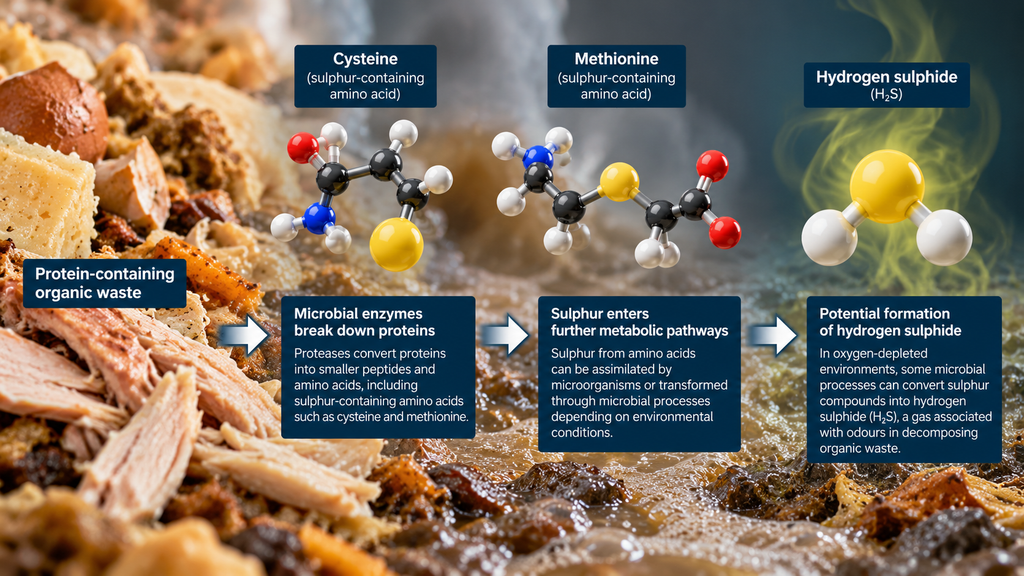
Recent research has investigated whether particular Bacillus megaterium strains can influence hydrogen sulphide levels in organic waste environments.
A study published in January 2026 examined Priestia megaterium S188 and its effects on hydrogen sulphide emissions from swine manure.
Under the experimental conditions, the researchers observed significantly lower hydrogen sulphide concentrations in treated samples at several measurement points.
In the manure experiment, reductions of approximately 28% and 61% were recorded on days three and five, respectively, compared with the controls.
These findings are described in research investigating Priestia megaterium S188 and hydrogen sulphide emissions from manure.
The study provides evidence that this particular strain can influence sulphur-related processes within a complex organic waste environment.
It does not establish that every Bacillus megaterium strain produces the same results or that comparable reductions would occur in a domestic septic tank.
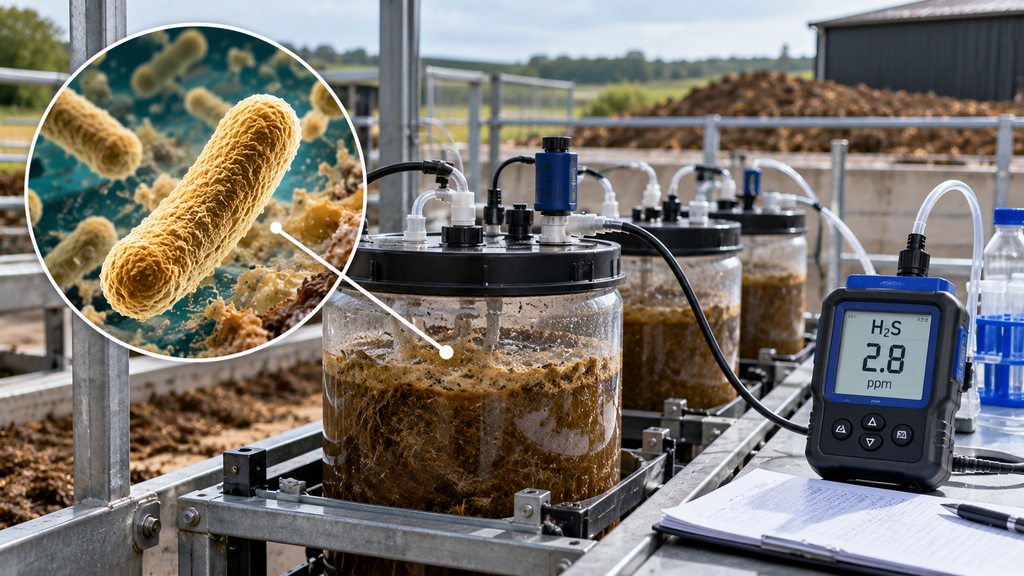
The researchers also investigated the genetic activity of Priestia megaterium S188 when exposed to hydrogen sulphide.
They identified increased expression of several genes associated with sulphur metabolism and the biosynthesis of sulphur-containing amino acids.
These findings suggest that the bacterium may interact with available sulphur through assimilatory metabolic pathways.
Sulphur assimilation involves incorporating suitable sulphur-containing substances into compounds required for cellular activity.
This differs from simply destroying a gas or removing sulphur from the system altogether.
Instead, sulphur may be transformed into another chemical form or incorporated into biological material.
The researchers proposed that sulphur assimilation could contribute to the observed changes in hydrogen sulphide levels, although the precise contribution of each mechanism remains uncertain.
One of the most interesting findings concerned changes in the microbial community itself.
The manure treated with Priestia megaterium S188 showed differences in the relative abundance of several microbial groups compared with untreated samples.
Some of these changes involved bacteria associated with hydrogen sulphide production.
This suggests that introducing an active microorganism into a waste environment may influence other members of the microbial community.
However, the precise interactions were not established experimentally, and the researchers did not demonstrate that S188 permanently colonised the manure.
The important distinction is that changes in waste chemistry can arise through several connected biological processes, not necessarily through one organism directly carrying out every reaction.
Organic wastewater contains nutrients that microorganisms can transform through different biochemical pathways.
Protein degradation makes nitrogen- and sulphur-containing compounds available for further processing.
Depending on the microbial community, those compounds may support cellular growth, enter additional metabolic reactions or contribute to the formation of gases.
The research involving Bacillus megaterium demonstrates how bacterial activity can influence both organic waste processing and the chemical conditions created during decomposition.
This is particularly relevant to understanding why wastewater odours are connected to microbial metabolism rather than merely the presence of visible solid waste.
It also highlights the distinction between decomposing organic material and changing the chemical by-products associated with that decomposition.
Aquarius SC uses selected microbial cultures associated with biological enzyme activities that help process different forms of organic waste.
Protease activity is one of the mechanisms identified in its formulation.
Research into Bacillus megaterium provides examples of how microorganisms can interact with protein-containing organic materials and participate in further biochemical transformations.
Its investigated protease production relates to the processing of protein-rich waste, while research on sulphur metabolism illustrates another aspect of microbial activity within decomposing organic material.
These findings complement the broader explanation of how beneficial bacteria, enzymes and biosurfactants contribute to organic waste breakdown in Aquarius SC.
The wider biological mechanisms are relevant to understanding wastewater treatment, although the research does not establish the identity of individual microbial strains within Aquarius SC or demonstrate a specific hydrogen sulphide reduction rate for the product.
Bacillus megaterium provides a useful example of the varied processes microorganisms can perform in organic waste environments.
Research has demonstrated protease production by strains recovered from dairy waste, alongside sulphur-related metabolic activity in a strain investigated using animal manure.
Together, these findings illustrate how bacteria can contribute to organic matter processing while influencing the chemical transformations associated with decomposition.
Understanding these activities helps explain why biological waste treatment involves interconnected microbial reactions rather than the action of a single enzyme or microorganism.